

Multidisciplinary Artist / Creative Industries Expert
history, art has evolved through moments of technological transformation. The invention of photography reshaped the representational language of painting; video expanded the boundaries of performance art; and the internet has globalized the circulation of artistic production. Today, the art world stands at the threshold of another profound transformation: artificial intelligence.
Artificial intelligence is not merely a new tool for artistic production; it is also becoming a force that reshapes how economic value is created within the art world. For the first time in art history, the creative process no longer relies solely on human intuition but also on the computational power of algorithms and the scale of data sets. This shift is transforming not only how art is produced but also how the art market understands investment and value.
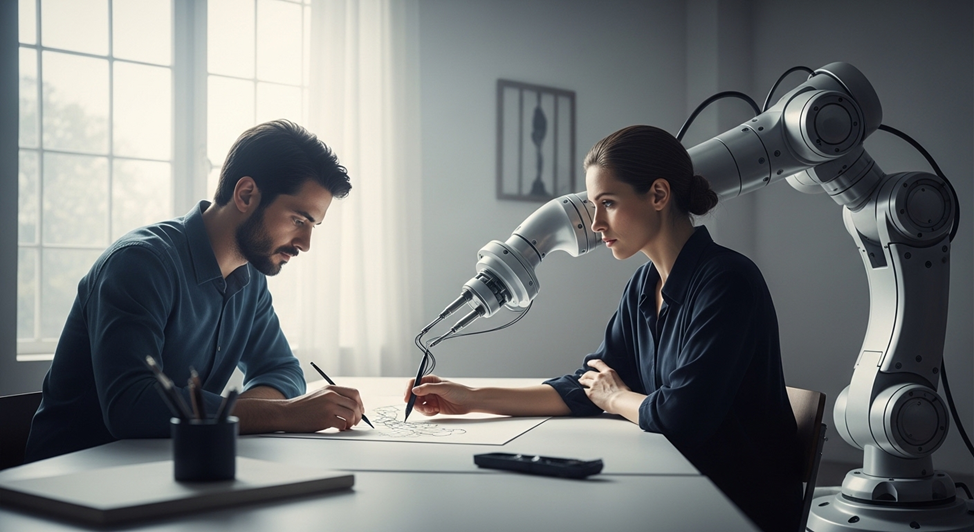
AI-assisted art production is no longer confined to the solitary act of a single artist working within a studio. Instead, it is evolving into a multilayered creative ecosystem. Within this ecosystem, artists, software developers, data scientists, technology companies, collectors, and investors become interconnected participants in the same chain of creation. Art is no longer simply the production of an aesthetic object; it increasingly emerges as a creative system in which data, algorithms, and experiential design converge.
One of the most compelling examples of this transformation can be seen in the work of Refik Anadol. Using vast data sets, Anadol creates architectural-scale data sculptures that position artificial intelligence not merely as a tool, but as an aesthetic system in itself. His data sculpture for the Walt Disney Concert Hall in Los Angeles, as well as Unsupervised, exhibited at the Museum of Modern Art in New York; demonstrate how algorithmic data can be transformed into a visual architecture of memory. Similarly, artist Sougwen Chung explores collaborative creation between humans and machines through robotic drawing systems, establishing a performative language that bridges human gesture and machine intelligence. These practices reveal that art is no longer solely the result of individual creativity but can also emerge from a hybrid intelligence formed between humans and machines.
The economic dimension of the relationship between artificial intelligence and art has become increasingly visible in recent years. In 2021, when digital artist Beeple’s Everydays: The First 5000 Days sold at Christie’s for $69.3 million, the financial potential of digital art and blockchain technology captured global attention. The sale represented more than the value of a single artwork; it signaled that new forms of digital production could generate entirely new investment landscapes within the art market.
Recent research further indicates that AI-generated art is forming a rapidly expanding market. The generative AI art sector reached an estimated value of approximately $620 million in 2025 and is expected to grow to nearly $880 million by 2026. The annual growth rate of this sector is estimated to exceed 40 percent. On a broader scale, the global AI art market reached roughly $3.2 billion in 2024 and is projected to surpass $40 billion by 2033. This rapid expansion is closely tied to the democratization of artistic production through generative AI tools and the emergence of new types of collectors and investors.
This economic transformation is not limited to digital platforms alone. The global art market itself continues to expand alongside technology-driven artistic practices. In 2025, the global art market was valued at approximately $59.6 billion, with technology-enabled artistic production increasingly recognized as one of the key forces driving this growth.
From the perspective of the creative economy, artificial intelligence is redefining how artistic value is generated. Creative economies have long been built on the transformation of ideas into economic assets. With AI, however, the value of an artwork is no longer determined solely by its aesthetic qualities. It is increasingly shaped by the originality of the data sets used, the design of the algorithm and the experiential relationship the work establishes with its audience. As a result, many contemporary artworks are no longer understood merely as objects but as creative systems.
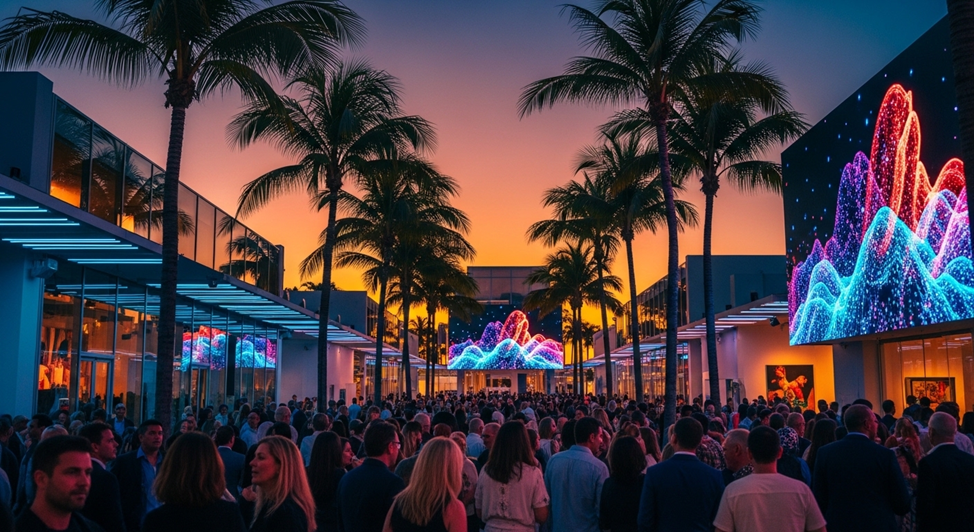
This transformation manifests itself differently across global art centers, with Miami emerging as one of the most prominent. In recent years, Miami has become a unique intersection of technology, finance, and contemporary art. Events such as Art Basel Miami Beach and Art Miami have evolved beyond traditional gallery-driven fairs to include technology startups, blockchain platforms, and digital art collectors. The city has also witnessed the emergence of a new collector profile, particularly among entrepreneurs from the technology and cryptocurrency sectors. For this reason, Miami is increasingly seen as one of the global ecosystems where artificial intelligence and digital art investment continue to develop.
At the same time, the rise of AI art raises significant questions. Who owns the data sets used to train algorithms? Who is the true creator of an artwork produced through machine learning? In addition, does machine-generated art challenge or expand human creativity? These questions are not merely ethical; they are also economic. In the future, the value of art may no longer emerge solely from the identity of the artist but from the design of creative systems themselves.
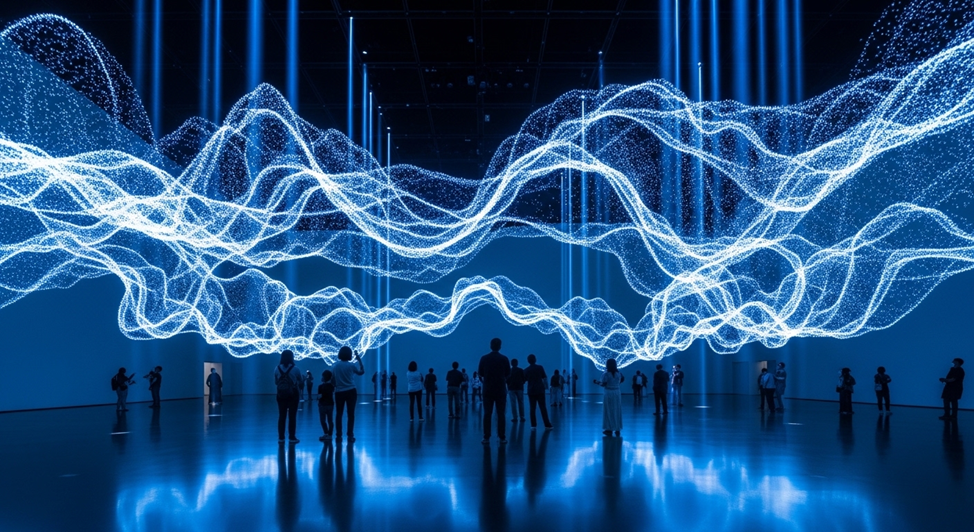
Looking ahead, artworks may no longer remain static objects. With the integration of artificial intelligence, art may evolve into systems that learn, adapt, and interact with their audiences. In such a landscape, the concept of collecting will inevitably change. Collectors may no longer invest only in paintings or sculptures but in evolving algorithms or data systems that continue to generate artistic experiences over time.
Artificial intelligence is not replacing art. Rather, it is redefining the production models, aesthetic languages, and economic values that shape the art world. Today, the art world stands at a new threshold. Moreover, the question emerging from this threshold is not merely aesthetic but visionary: will the value of art in the future arise solely from human creativity, or from a new form of intelligence created through the collaboration between humans and machines?
The answer to this question will shape not only the future of art history but also the trajectory of the global creative economy.
RU Ceylan
Multidisciplinary Artist / Creative Industries Expert
www.ruceylan.com