

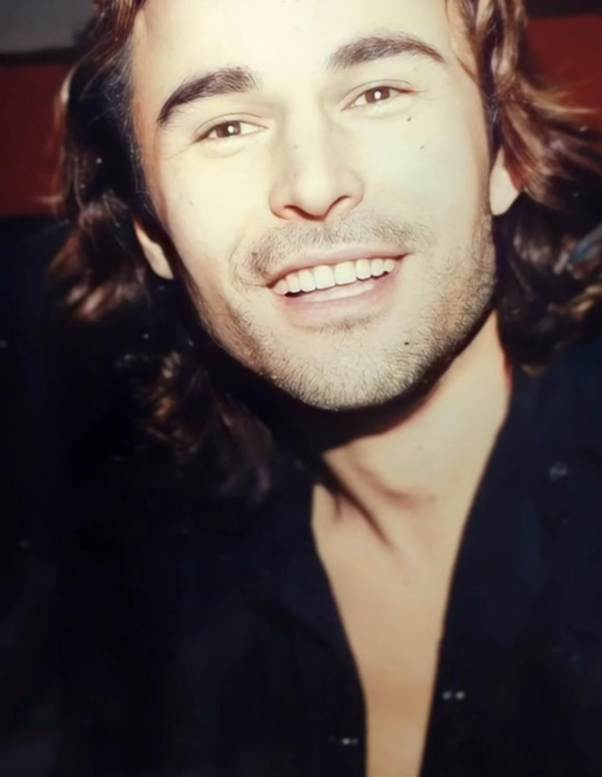
The final installment of my series reminds us why the nights of 1990s Istanbul are still talked about. Because some nights end, but the traces they leave behind remain. In this installment, we listen to the voices of those who lived through it; we hear from those who left their mark on those nights through today’s eyes. Together, we see what those nights made possible, what they transformed, and what they left behind for the present day.
Taxim Night Park: A Public Place in Private
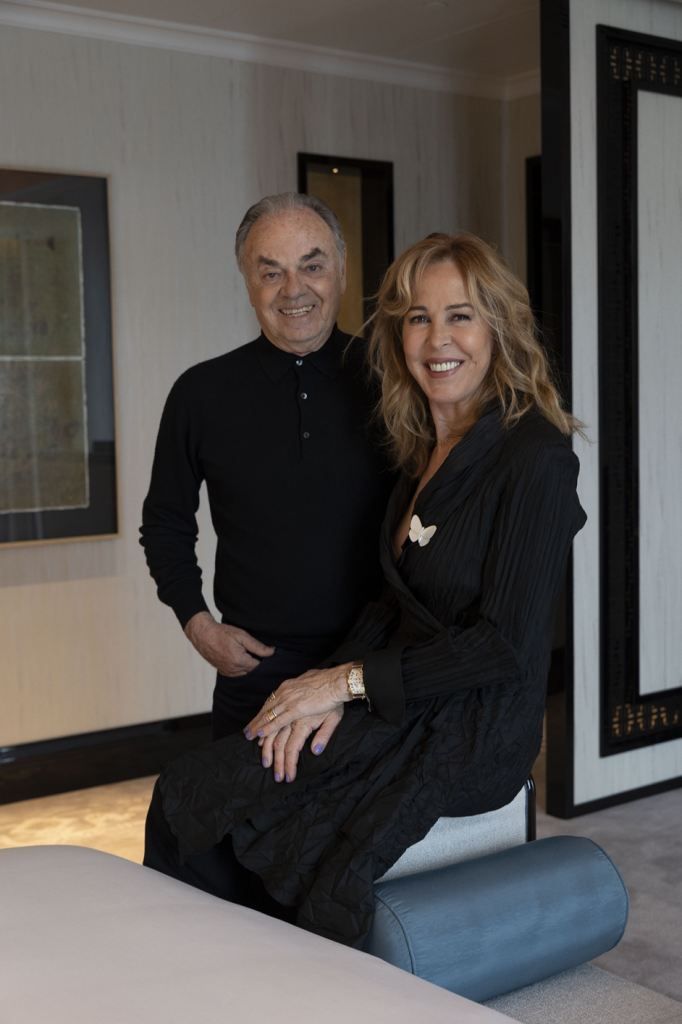
ZEYNEP FADILLIOĞLU / Interior Architect & METİN FADILLIOĞLU / Businessman/Entrepreneur
Opening a club in Istanbul in the 90s took courage. However, transforming an abandoned paint factory in Talimhane was something else entirely. Behind that, decision was not just a business plan, but intuition. Nigel Coates’ involvement in the project was no coincidence. At the time, there was a strong trend in futuristic architecture in England, and Zeynep had consulted her cousin, Rıfat Özbek, who was deeply immersed in fashion and art circles and had been named Designer of the Year twice. Such invisible networks often shaped the nightlife of the 90s: personal relationships, intuition, and small circles of mutual trust. The same reflexes are still at play today. Because what was decisive in this project was not just the design, but also the connections forged with the right people.
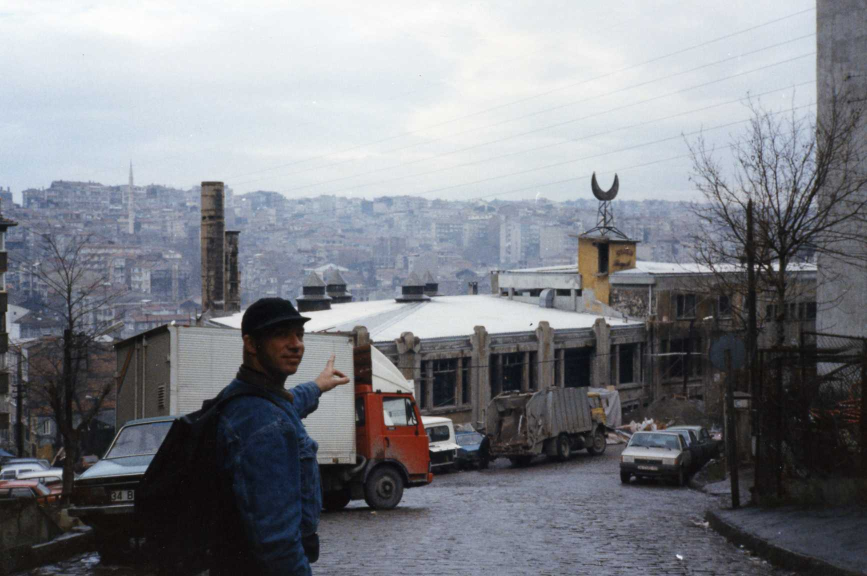
Nigel Coates / Architect
It wasn’t just the architectural choice that was radical. The space itself was a challenge. Opening an entertainment venue in Talimhane, in the midst of a shantytown fabric, in a neighborhood known for theft and drugs, was a bold risk. As Nigel Coates said in his 1991 interview with The Independent, it was a place to experience “the chaotic fantasy of luxury versus poverty, creativity versus destruction.” Perhaps it was a transition zone for rich kids who didn’t dare to engage with the city’s seedy side. Nevertheless, it was also a test for Istanbul.
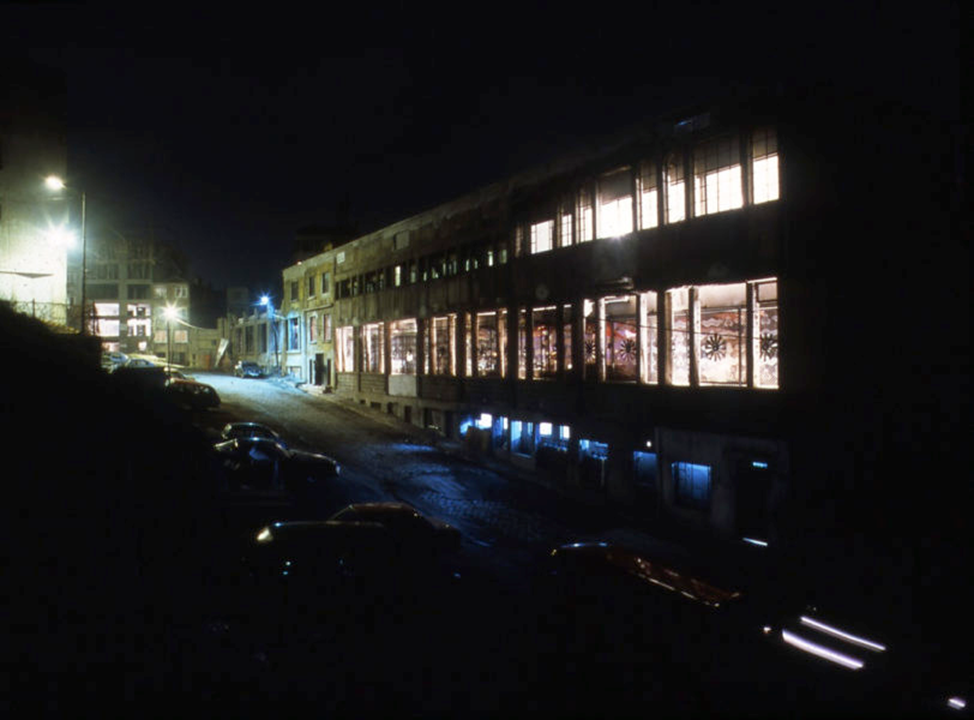
This idea wasn’t marketed to people; the venue itself spoke. The tension between the raw nature of the old factory, the harshness of the location, and the world created inside was decisive. Risk was the strategy itself.
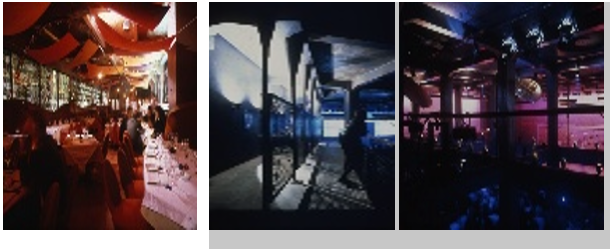
Taxim Night Park was born more from a feeling triggered by a memory than from a business plan. The feeling created by a nightclub experience in Paris in 1968 turned into the idea of a “Night Park” where thousands of people could have fun at the same time. Taxim Night Park’s slogan was “A Place to Be Publicly Private.” A space where music, emotions, and fun were shared, but privacy was protected. A place where a woman in a truly elegant evening gown and a man in jeans could dance back-to-back without hesitation. What happened there stayed there. We made that possible.
Respect for the DJ and the music was palpable. People danced until dawn, becoming part of the venue, never just spectators. Being a customer at Taxim’s was not a passive position; it was about being involved.
While the nightlife of the 90s produced its own culture through music, art, people profiles, and venues, politics was always an invisible companion. However, the scope of this space created during that period was only fully recognized by Istanbul after the 2000s. The development of media, international visibility, and the changing perception of the city retrospectively transformed Taxim Night Park into more than just a “club.”
Perhaps that was the real issue: a nightclub had not merely been opened. A temporary yet lasting public space had been designed in the heart of the city.
From the DJ Booth to Life
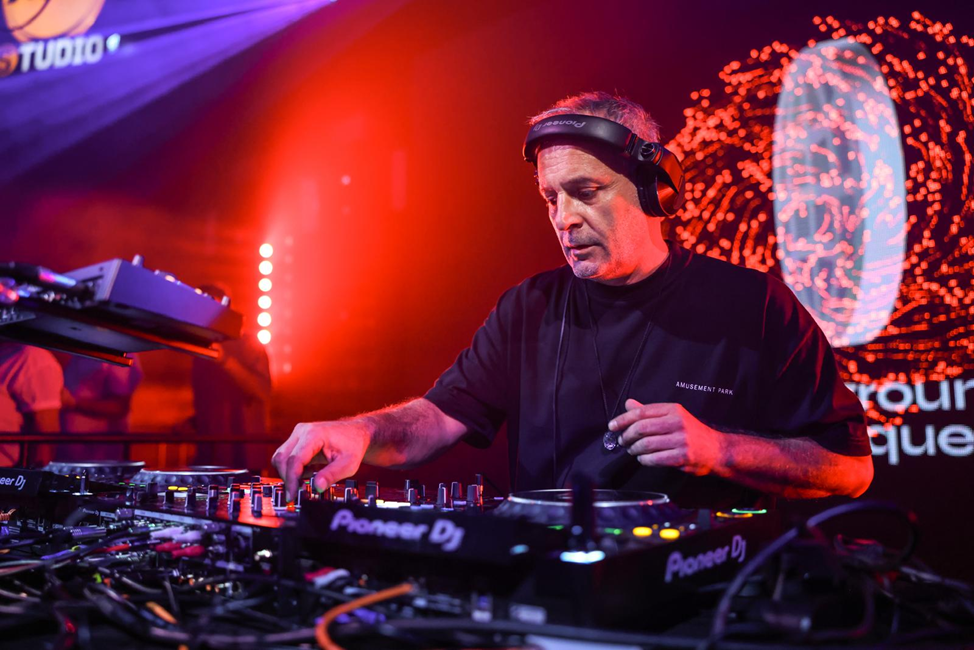
UFUK ÖZGÖNÜL / Deejay U.F.U.K
When I stepped into the DJ booth in the 90s, there was a very direct connection between the crowd and me. The most exciting part of the job was following new releases, discovering them, and introducing them to people for the first time. The dancing crowd was curious about the record being played; we discovered it together. There were many people who were interested in music and who added color to their lives. The crowd instinctively gravitated toward the music; sometimes they would scream, sometimes they would smile quietly. This was the clearest sign of the genuine connection between us.
What is no longer possible today is the sincerity of music. I do not mean to say, “Everything was better back then,” but music has lost some of its warmth. Freedom meant being able to actually play the record, you wanted to play. The crowd was open to discovery; they came to have fun and recharge their energy. The DJ was valued. Sincerity and freedom were inseparable from music.
Moments when we said, “Tonight got out of control,” were very rare. The crowd was generally made up of people who knew where to draw the line. There were minor disturbances, of course, but there were no truly boring nights. Because the DJ was in control: the flow of the music, its pace, its rise and fall… Everything was managed from there. Music made people happy; it still does.
Looking back, DJing in the 90s meant talent, music knowledge, and true passion. It was not a job anyone could do. Technology made things easier, but DJing with records was completely different, both technically and spiritually. When we turned up the mixer’s volume and started mixing, screams would rise. What happened in those moments was pure energy, communication, and a collective state of madness.
The Path to Professional Life
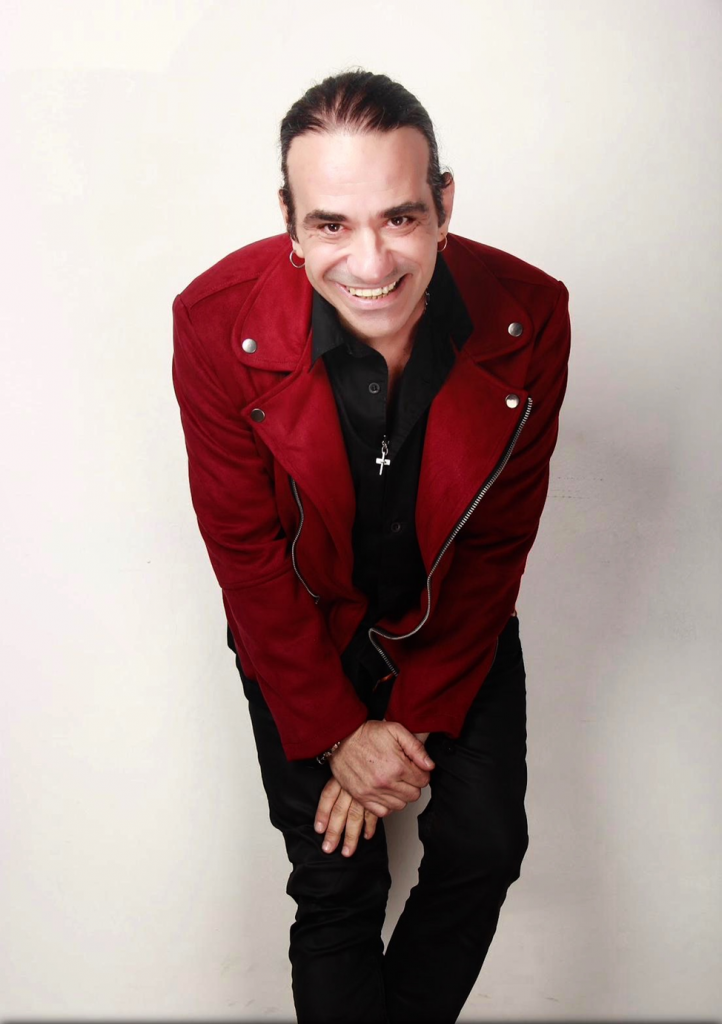
HAGOP MAMAS / Business Owner
The 90s nightlife was one of the most colorful, free, and unforgettable periods of my life.
If nightlife back then had been as if it is today, I would never have chosen this job as a career. Now everything is a struggle. Back then, having fun was natural, spontaneous, and genuine. There are some questions whose answers are obvious to everyone; there’s no need to repeat them.
In those years, Istanbul was one of the most important metropolises in the world’s nightlife. People came here from all over the world to have fun. Where we are today is clear. Frankly, I don’t believe we’ll ever see another period like that again. Besides, it wouldn’t be allowed. The era we live in is a dark period where even having fun or laughing is almost forbidden.
Comparing the 90s to today is impossible. We were very lucky. I feel sorry for today’s youth; they don’t know what fun is. They have no examples, no space.
What makes a place special is not the decor or the music, but the people inside it.
If the customers are good, if they have energy, they can have fun even in a barn. You know this very well. Most of the places we went to in the 90s had no physical features whatsoever. What made the place beautiful was the people inside it.
Today, those people are gone. What made a place a place wasn’t the music or the decor; it was the people inside.
I used to get ready every night as if I were going on stage.
Back then, I wasn’t a business owner yet; I was a regular who learned about the night from the inside. However, I would prepare for every place with care, as if I were going on stage. Because the language of the night is established as soon as you walk through the door.
When I eventually became a business owner, I carried that reflex into the venues I ran. For me, the preparation process in all the venues I ran about owned my own republic, and I wanted to see the same care in my employees.
I still believe this: The spirit of the night begins with the care people give themselves.
The Night’s Recorded State

NORA ROMİ / Journalist
For me, the Istanbul nights of the 90s were both entertainment and news. While working in the press, I remember that Ceylan Çaplı’s venues were often targeted. The buzzword of the era was “marginality.” Yet what was happening inside was clear: good music, unity, and genuine connection.
The moment I first saw our photos in a magazine remains precious. It is one of the most valuable images in my archive—a photo of seemingly unrelated people coming together. We were sharing our troubles, supporting each other, and living without judgment.
From a journalist’s perspective, the biggest difference was etiquette and elegance. You could move from an underground venue to a chic place with ease. You absorbed the night instead of questioning it.
At Ceylan’s venues, the night began even before leaving home. There was excitement and anticipation. She believed that if she had fun, everyone would—and she was right.
Times Guided by Music
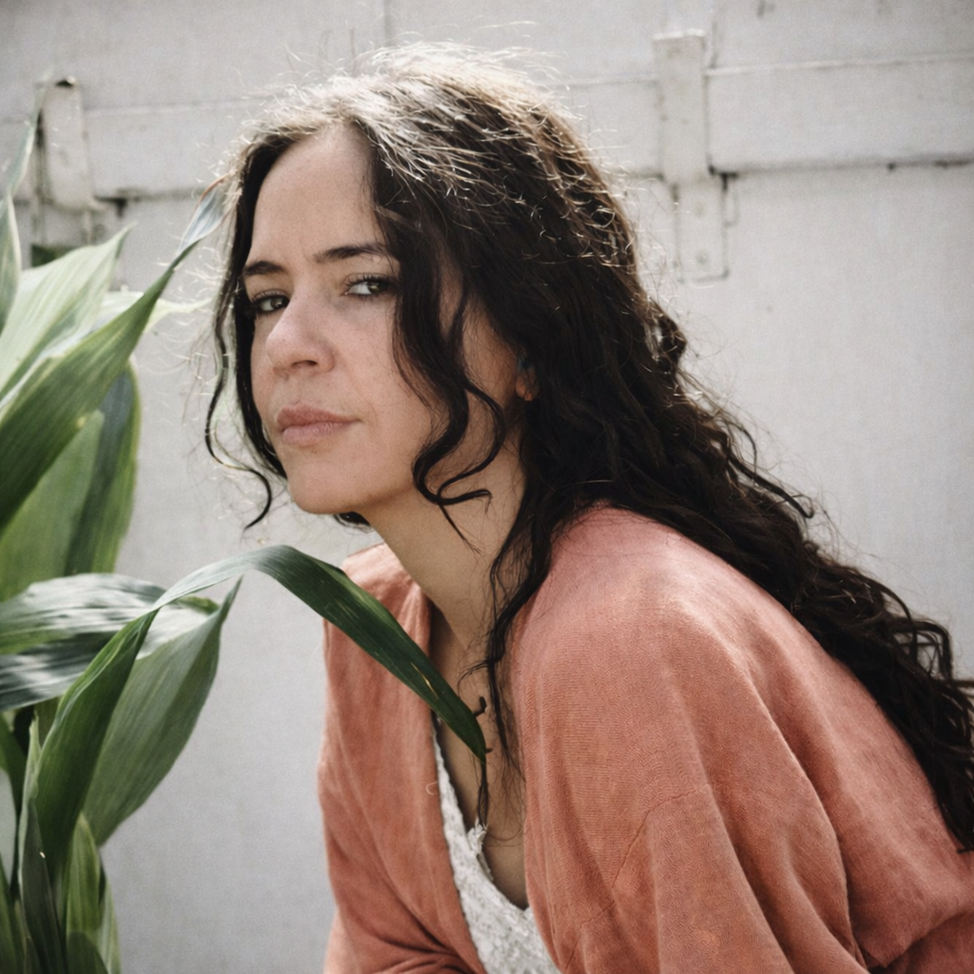
SOLEY ARI / Public Relations – Personal Assistant – Entrepreneur
The Istanbul nights of the 90s represented a true sense of freedom for me. When I came here from Germany, I felt like I was in a theater. There were people of every color and identity; all were open-minded and tolerant. It was reminiscent of the hippie movement of the 70s. Jealousy was almost non-existent; those who felt it couldn’t survive in that environment anyway.
DJs didn’t just play music; they told stories through it. When I hear a song from that period today, I’m instantly transported back to those moments, because those years were shared with pure, beautiful souls.
When I was told that my voice would be used in the 2019 Radio jingles, I felt incredibly proud. I was both excited and shy at the same time: “Is it really my voice?” I wondered. Then the party girl inside me kicked in, and we created some amazing jingles. Unfortunately, I don’t have any recordings today; the weakest aspect of that period was that it wasn’t archived. Nevertheless, those sounds are still in my ears.
When we went out at night, it wasn’t just the music that fueled us. It was meeting great friends, dancing, and wondering what rather story the DJs would tell that night. It was truly a state of being “lost in music.”
Looking back now, what I miss most is the people and the energy they created. Back then, it wasn’t only about music and dancing; it was about looking out for one another. Today, when I go out, I no longer feel that same energy.
Being a Woman, Resisting, Defending the Night
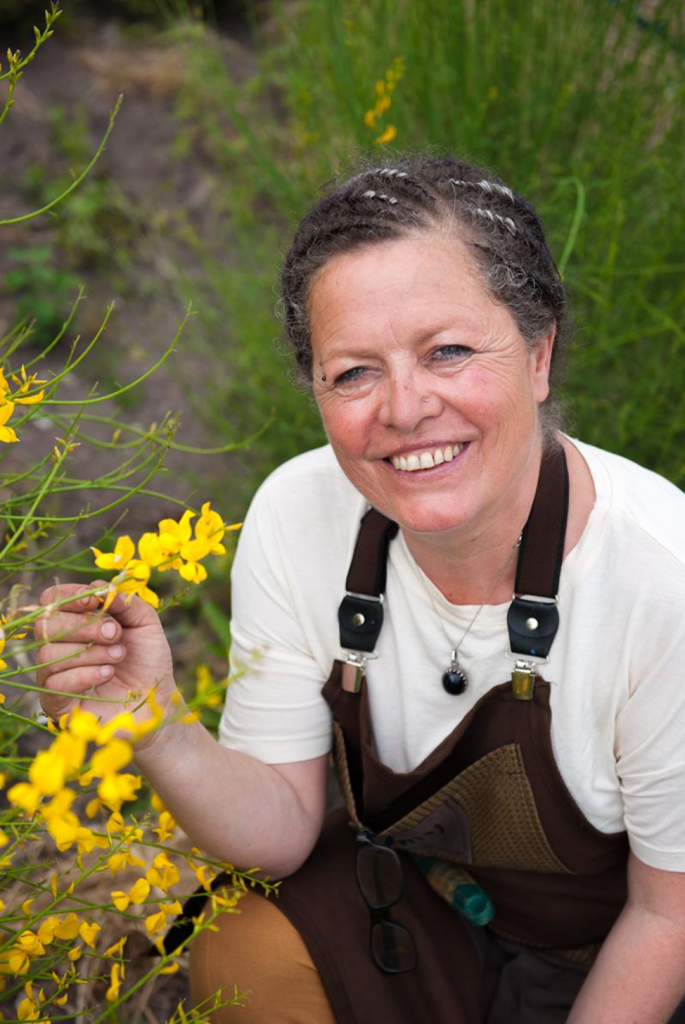
SEVİL BAŞTÜRK / Business Owner – Life Advocate
In the 90s, running a nightclub in Beyoğlu was not just a business for a woman. It was an act of open resistance. Keeping the crowd going wasn’t just about choosing the right music; it required dancing with the law, bureaucracy, and a male-dominated system all at once. In an era dominated by the mindset of “everyone home by 2 a.m.,” obtaining a Tourism License and an Independent Entertainment Venue permit and keeping the music playing until dawn was not romantic courage; it was a conscious, strategic act of defiance.
There was a price to pay: hours spent in police corridors, endless inspections, police pressure, and threats of closure, and complaints from neighbors… Being on alert every night, defending the space every night. However, they took their stance not from toughness but from clarity—from the law, knowledge, and a professional attitude. That place was not a bar. It was a temple that stayed open until dawn, a space where life, the body, and the voice were celebrated.
Looking at those photos today, what you see is not a “customer profile”; it is a democratic dance floor. Players, dancers, students, artists, LGBT+ people, white-collar workers, night owls… Hierarchy was suspended. Status was left at the door. There was no internet; people existed in real life, through direct contact with one another. The real need was not to have fun, but to stay together. To breathe. For identities declared invisible, those places were liberated zones.
Magma and Switch were not just clubs. They were spaces where people could express themselves without hiding. The common quest was a judgment-free ground. People came not to dance, but to reveal their own life performances.
Beyoğlu shone brighter. You could have fun in other neighborhoods, but the best was always in Taksim–Beyoğlu. If you had money, you sat at the most ostentatious table; if not, you stood but moved to the same rhythm. The flavor was equal.
Music wasn’t just background noise; it was a manifesto. It was a way of saying, “We are here at the same time as the world.” Progressive house and techno taught a new language: a language where vocals fell silent and rhythm spoke. The DJ booth was a podium; the dance floor was a space of freedom. In underground venues, music shaped identity. DJs weren’t just playing music; they were building culture. For young DJs, the club was a school, a rehearsal space. Music didn’t just entertain; it transformed perspectives, bodies, and expectations about life.
Every night, it was not just noise complaints that were confronted, but mental and social boundaries. Electronic music was considered “insignificant,” nightlife “sinister,” and different identities “excessive.” Bringing LGBTQI+ people to the stage with projects like Transşans was not a choice, but a conscious boundary violation—to make the invisible visible.
Over time, that vibrant structure was gradually tamed. Tolerance was replaced by uniformity, and civil awakening by interventions of capital and power. The boundaries did not disappear; they became institutionalized. Music bans, license revocations, pressures of urban transformation… The form changed, but the reflex remained the same.
Nevertheless, that space did not disappear entirely. That potential for freedom remains in the city’s memory. We were once truly free. Moreover, Beyoğlu made that possible.
Losses…
Today, most of those places are gone.
In their place are other buildings, other people, and another mood.
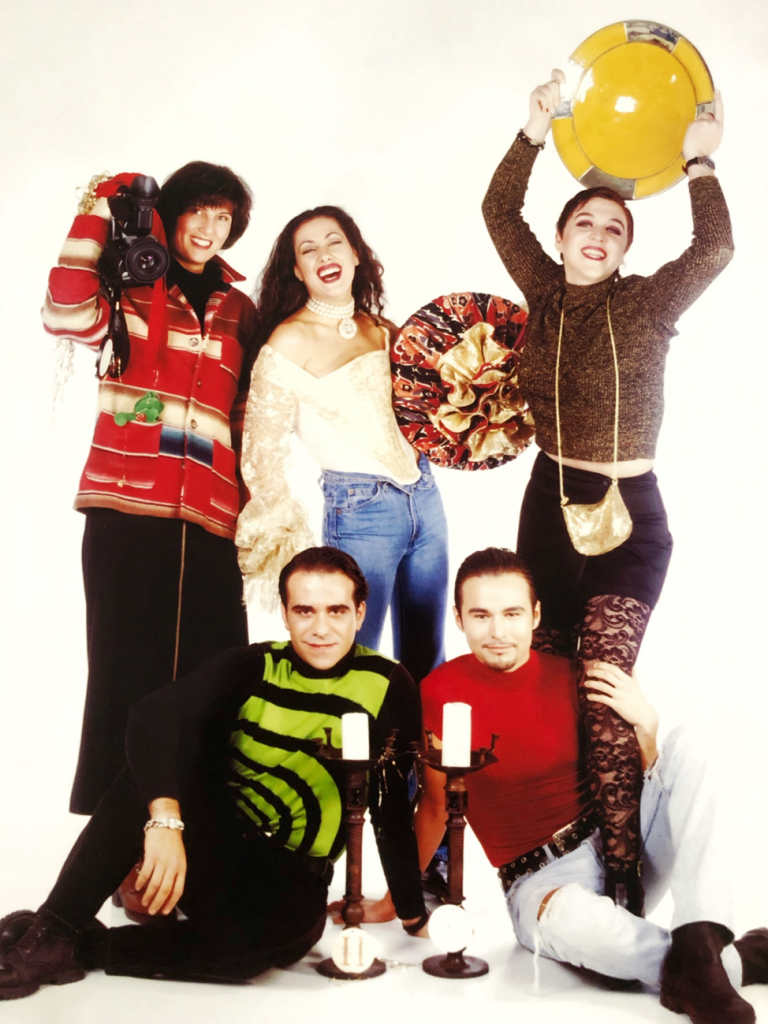
Fotoğraf: Yaşar Saraçoğlu
Rana Tabanca ( Pirinçioğlu ), Meltem Cumbul, Nora Romi, Hagop Mamas, Kamil Çakır
Sealed in Memory
ArtT Modern Miami readers, this is not an exercise in nostalgia. It is a thank-you letter.
To those who lived those nights, worked in those places, and carried the music—no amount of thanks is enough.
The Istanbul nights of the 90s were not just locations or photographs. They were shared memories that began before the lights came on and continued after the music stopped.
It was a feeling.
The year is 2026. The world keeps turning.
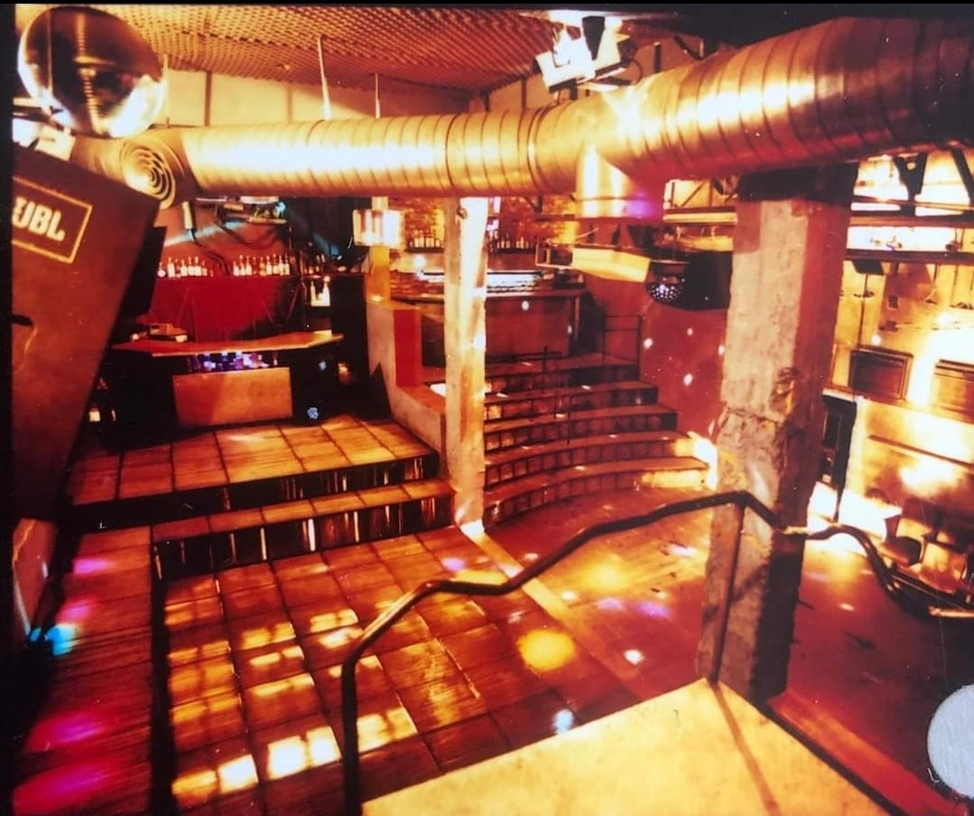
CLUB TWENTY
Istanbul nights continue—without the spirit of the 90s.
“In those years, we went out not just to have fun, but to exist.
Where do you think people are searching for that existence today?”
And…
Who turned off the lights?
Artist / Designer
Kamil Çakır