

piece is dedicated to those who turn on the lights, those who start the music; those who
transform nights into not just entertainment, but a language, an identity, and a space of freedom.
To Ceylan Çaplı; to the vision that turned dreams into reality!
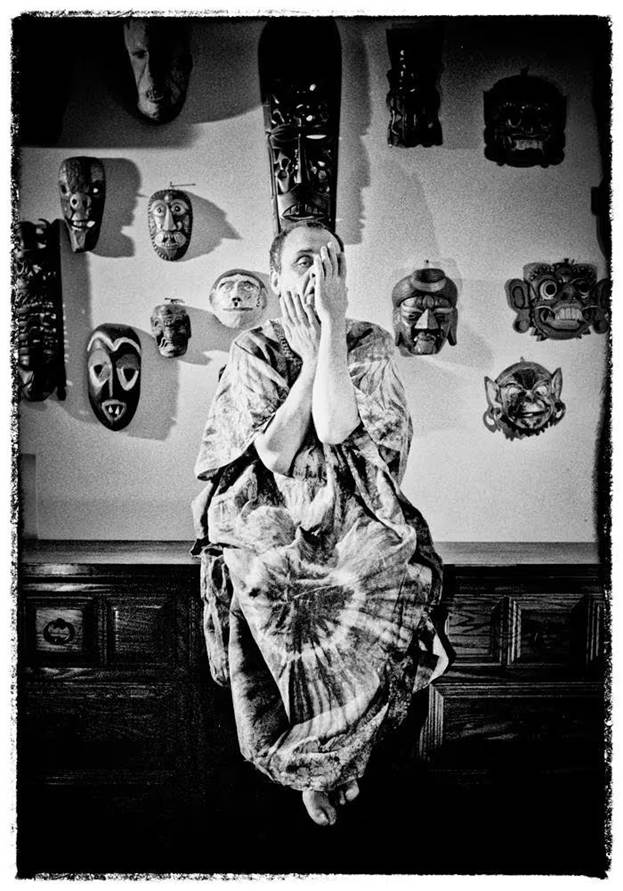
Photo by Ismail Necmi
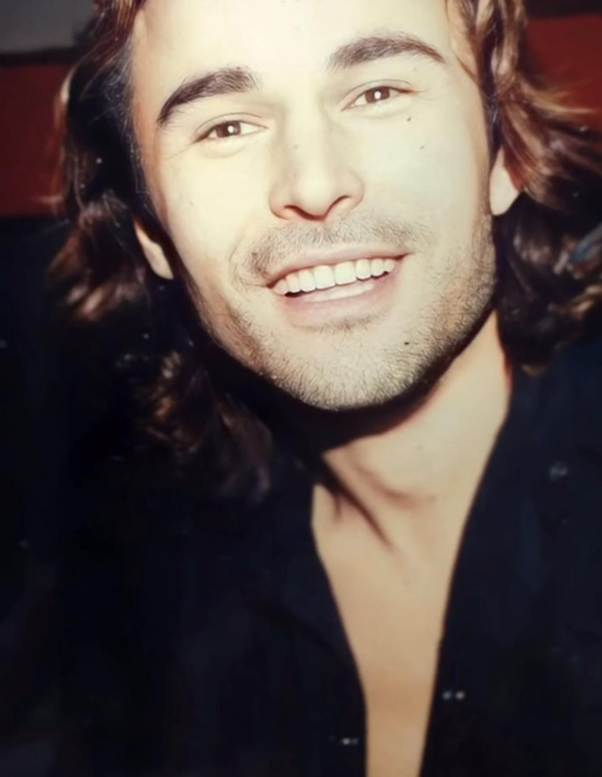
To the one who touched all our lives in some way. In the nights she created, we didn’t just have fun; we were ourselves. Amidst the lights, music, and crowds, we found a world we belonged to.
To DJ Tangun Gençel, who left us far too soon!
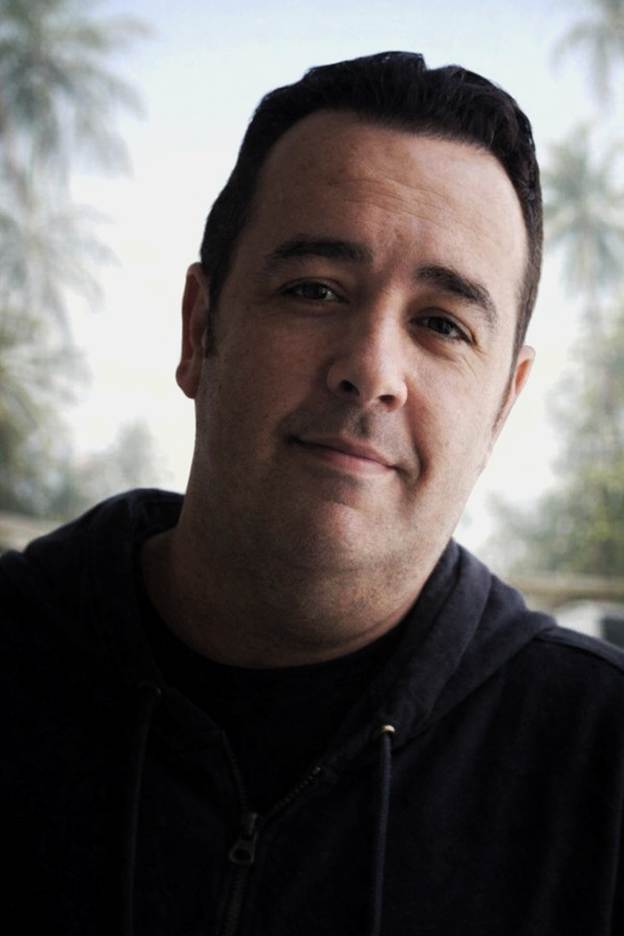
In Korean mythology, the son of the God in the sky, Korea’s first king, the ancestor of Koreans. In addition, for us, Tangun: the legendary DJ of our generation, known as the “Master” of Turkish electronic music and nightlife. A profound person, a friend… He caressed our souls, and made our unforgettable moments precious.
To that, spirit that set the heartbeat of the nights with his music…
To all our companions who have left us, who left their mark, whose spirit filled the nights of this city, whose names still make our hearts tremble when mentioned, whom we still believe exist somewhere in the night… to everyone!
Notes Written by a City to the Night
The Istanbul of the 90s cannot be described with a single venue.
Those years were a chain of addresses.
Like constantly changing moods in a single night…
Talimhane: 14, 19, 20…
Maslak: 2019.
Sweaty walls at Kemancı, mingling sounds at Roxy, sets stretching into the morning at Switch, the human traffic at Taxim Night Park…
Each venue catered to a different need, but they all converged on the same feeling:
Freedom.
In this city, nighttime wasn’t just about having fun.
It was about being yourself.
Whispers of Witnesses
Everyone who lived through those days remembers this period differently.
“No one tried to be like anyone else.”
“It wasn’t clothes that spoke; it was posture.”
“Music showed us the way.”
A moment that couldn’t be recorded for a TV channel, a frame that couldn’t be documented for a journalist, the silence at the heart of the music for a DJ…
And the jingle rising from a radio:
“Future is now!” Radio 2019!
Memories of the Nights: Testimonies from 90s Istanbul
Becoming Someone Else When Going Out at Night
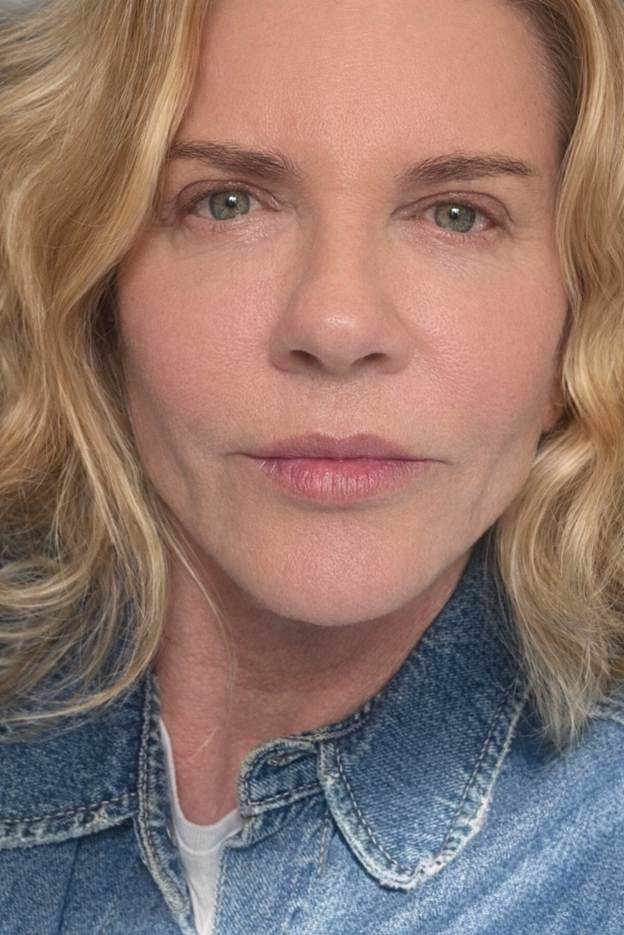
AFİFE BİRİCİK SUDEN / Multidisciplinary Artist – Entrepreneur
In the 90s, when I was getting ready for Istanbul nights and looked in the mirror, there were moments when I said, “Tonight, I’m becoming someone else.” However, this was not an escape. It was a suppressed side of me becoming visible. Music, clothes, crowds, the city… All were influential, but what truly transformed me was my spirit finding courage. Istanbul really provided space for that in those years.
What intoxicated me most on those nights was not alcohol. It was the feeling of freedom. Being visible, bending the rules, the pure excitement of experiencing things for the first time… It was a time when you tried out not only who you were, but also who you were not. No one was a “brand”; everyone was searching.
Looking back today, the Istanbul nights of the 90s were neither just an escape nor a direct challenge. They were more like a manifesto written unconsciously—a way of saying, “Life can be lived differently.” In that period, identities were fluid, not fixed; courage was in style, sincerity was valuable.
Many things that were considered “excessive,” “unconventional,” or “dangerous” in the 90s are commonplace today. Because that era was pioneering. What truly made that era special was that everything was still unpackaged, uncommercialized, and unlabeled. People were not putting on a show; they were living. Those nights taught us not just how to have fun, but how to be ourselves. That is why the music felt more real.
It Was not a Club, It Was a Republic!
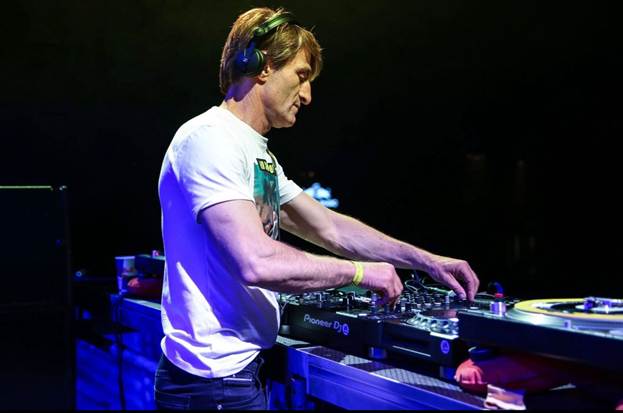
MEHMET CAVCI / Club 2019 & Radio 2019 – Founding Partner – DJ
The spirit of 2019 went far beyond ordinary entertainment.
In fact, for Istanbul at that time, it was “the end of the road.” It was like a declaration of a republic stretching from tiny bars to a vast junkyard.
It was a space where twenty years of nightlife experience touched everything from music to fashion, art to architecture, with an innovative attitude. The venues were uncomfortable; there were no tables or chairs, but people were more relaxed than ever. Because it was not a club—it was a theater of freedom.
It is hard to pick just one moment as an “unforgettable night,” because every night was unforgettable.
DJs and dancers tried everything to turn the place upside down; the excitement reached such a point that the doors would close, and the after-party would go on until morning. Even if we were working there, we would still have fun.
It was the place where the first real drag queens in Turkey took the stage. The Amsterdam Pantera dance group was the energy of 2019. There was no VIP section; you’d dance side by side with local and international celebrities. I remember dancing to Kiss with Tom Jones one night—it was perfectly natural.
The door policy was strict because the space inside had to be protected. Regulars were recognized by their faces at the door. Gay guests had priority at the entrance. Heterosexual guests were selected; new faces were not easily admitted. Groups of multiple men were not allowed. There was a guest list, and those not on the list were not admitted. Anyone who accidentally entered was immediately noticed, and any issues were resolved at the door.
Even if we reopened 2019 in the same place, in the same way, that community would not exist. Because 2019 was a future sound created in the 90s. Today, we are in 2026; now it’s your turn to create the new. Radio 2019 still lives on digitally. You can listen to it.
The future is now.
In the 90s, Music Wasn’t Consumed; It Was Lived
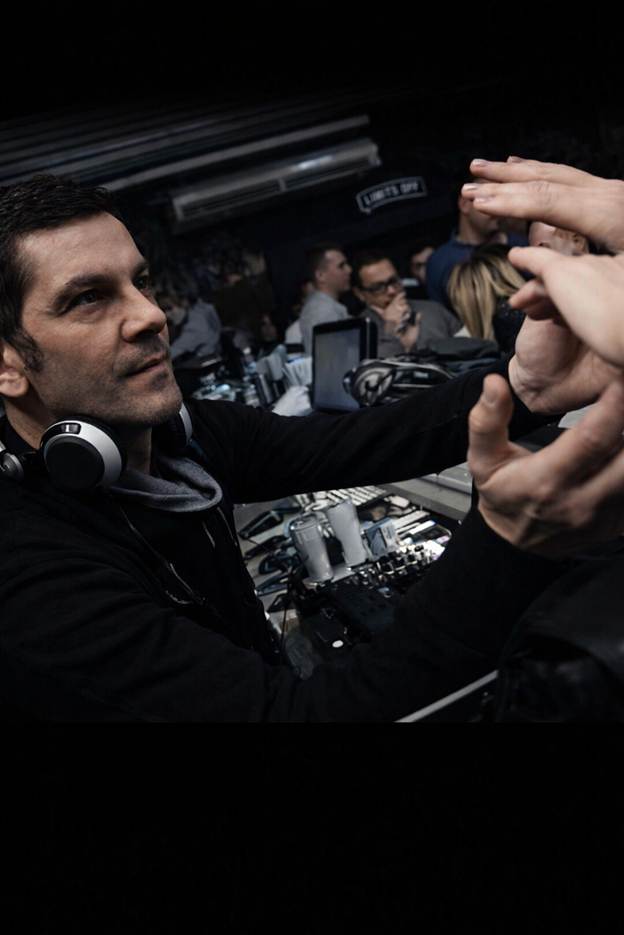
SEDAT ÖZYÜREK / DJ
Being part of Ceylan Çaplı’s crew in the 90s was like having an invisible card that opened doors. No one asked you, “Who are you?”—you were already known. Information spread by word of mouth; invitations came through whispers, not DMs. The greatest privilege wasn’t speed; it was trust. That trust carried you to the right music, the right people, and the right time.
Like Annabel’s in London, you were in a select, privileged, and self-contained world. Religion, language, and race faded into the background; the feeling of belonging to a single “republic” prevailed. Without realizing it, everyone’s horizons expanded through the time spent together.
The audience profile of that era’s venues was very clear, yet unlabeled. Curious, selective people who loved “not being like everyone else”… Artists, advertisers, journalists, night people. What brought them together wasn’t status; it was their ears and their attitude.
The expectation from a DJ was less about entertaining and more about guiding. People wanted to hear something new. Discovering the same track together created a natural sense of belonging. You couldn’t describe it; you simply felt it. Keeping that feeling alive every night wasn’t easy. Most people were dancing on the floor; no one was staring at their phones and disconnecting from the vibe. Respect was an integral part of the music.
In the 90s, music wasn’t consumed; it was lived.
There were acoustic-sounding productions, manual records, real remixes. It wasn’t copy-paste; it was about effort, technique, and musical knowledge. DJing wasn’t something anyone could do. There were musicians who truly deserved that role—and the music rewarded them for it.
When Songs Hit the Streets
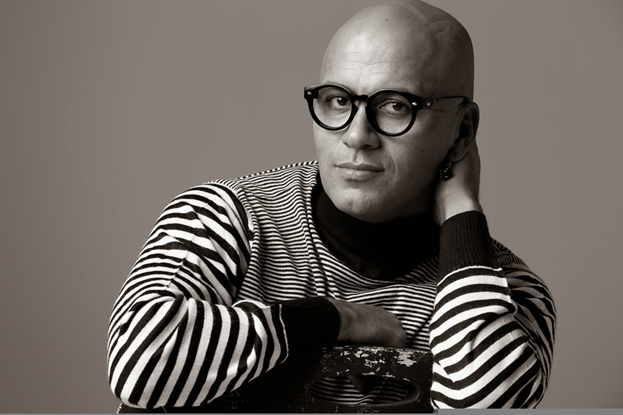
Ahmet AKKAYA/ Singer
In the 90s, music, nightlife, and popular culture formed a vibrant ecosystem that fed off one another. I felt myself right at the center of this cycle, even as one of its driving forces. Songs were not just accompaniments; they were a defining force of the era.
Back then, listeners were not passive; they were immersed in the music. The radio was on in the car, on the street, at work; music channels on television never stopped. When going on vacation, cassettes were packed along with clothes. In short, songs were present in every moment of life. Music wasn’t just listened to—it was lived.
Taking risks in music was more visible in the 90s. Courage, creativity, and imagination were essential then too, but nightlife nurtured those risks. A song that caught on in a club would blend into the mood of society. Music was both entertainment and a statement. Today, with technology, diversity and selectivity have increased, and taking risks has become an even more important reality.
If I had to describe the 90s with a single song,
I would say, “Ah Canım, Vah Canım.”
Because that song carries the lightness of a night, the good feelings left behind in the morning, and the positive energy of that era.
Through the Viewfinder at Night
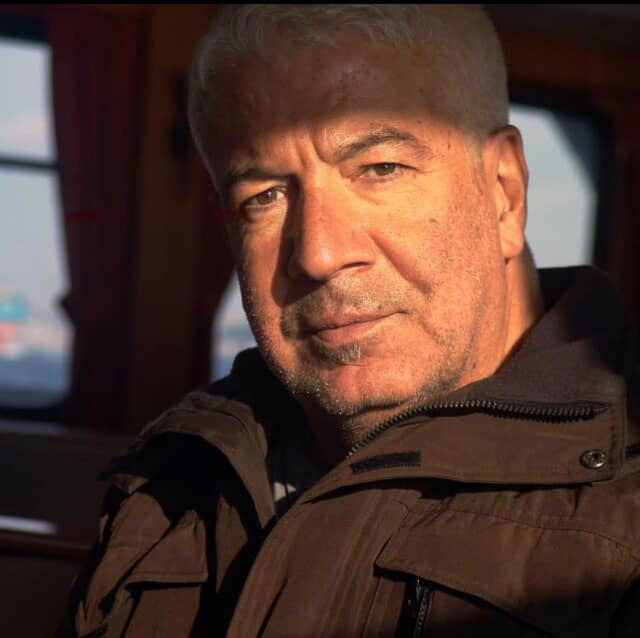
Photo byYasin Özdemir
YAŞAR SARAÇOĞLU / Photographer
In the 90s, I was never the type to stand on the sidelines in clubs with a camera in my hand. If you didn’t feel the music in your bones, if your sweat didn’t mix with the sweat of the crowd, you couldn’t capture that spirit. I was fully immersed—one hand on the viewfinder, sometimes a glass in the other.
My frame tried to capture the uncontrolled energy of that era. Flashes of light, blurred images, bodies in motion… I wasn’t recording static moments, but the high tension of freedom itself. People didn’t shy away from the lens; on the contrary, they danced with it.
The biggest change from the 90s to today has been the loss of mystery. Back then, what happened in the club stayed in the club; we lived in the moment. Now there’s an obsession with proving the moment. Eye contact has given way to staring at screens. The only thing that remains the same is the desire to escape. Night is still a refuge from the burdens of daily life, but that wild intimacy and lack of hierarchy are far less present now. Entertainment is more sterile, more planned.
The discipline I gained at the State Opera and Ballet allowed me to read the chaos of nightlife. Through my knowledge of body language, composition, and lighting, I realized there was a hidden choreography within the club crowd. What I was capturing was essentially a modern opera—only the music and costumes were different.
The large shoots we did for a New Year’s issue now feel more like a time capsule than a job. Those looks, that feeling that “anything is possible,” that analog sincerity… Those frames don’t just feature popular names; they hold the memory of this country’s most colorful, bold, and last undigitized era.
In the next installment of the series, there are new voices who witnessed the Istanbul nights of the 90s.
Artist / Designer
Kamil Çakır