
Multidisciplinary Artist / Creative Industries Expert
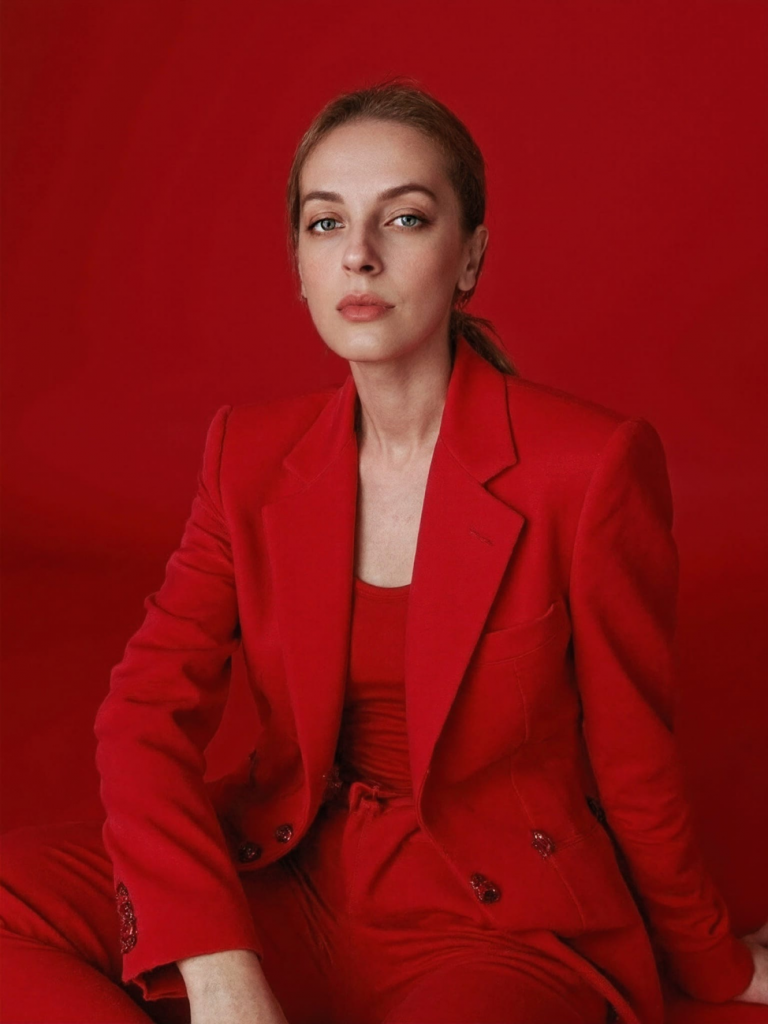
Hello, I’m Ru.
I am an artist, curator, and creative production designer who thinks and works within the field of creative economies. My practice focuses on the invisible connections between art, cities, economics, and narrative. I approach creative production not merely as an aesthetic domain, but as an economic force capable of transforming life, urban structures, and value systems.
Through this series of essays, I aim to explore how creative economies are built, how they grow, and, at times, whom they leave outside—by reading cities and case studies together. These texts are not written to provide definitive answers, but to ask the right questions collectively.
creative economy describes an economic structure in which value is generated not only through production, but also through ideas, culture, emotion, and experience. Today, if a city can offer a feeling rather than just buildings, a narrative rather than merely products, and a way of life rather than a brand, the creative economy has already begun to operate there.
Art, design, architecture, fashion, music, media, gastronomy, and technology are the visible actors of this economy; yet its real power emerges where these fields intersect. For this reason, creative economies cannot be understood through isolated projects—they must be read at the scale of the city.
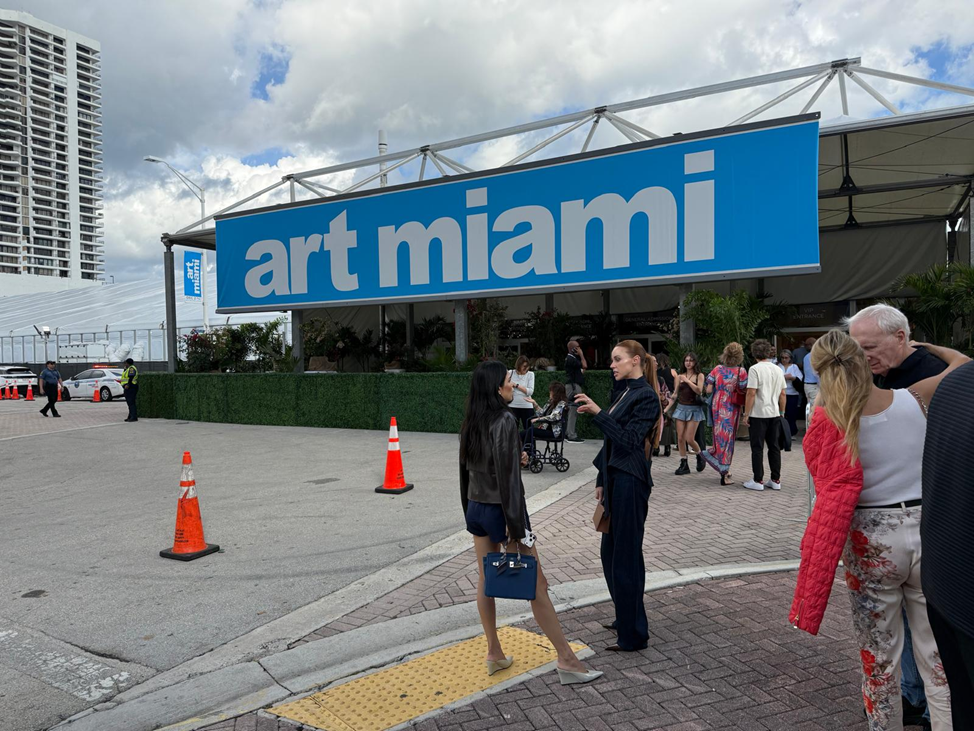
Miami: Not a Single Center, but a Creative Network
Within this landscape, Miami stands out as one of the most compelling examples in the world. What makes Miami powerful is not only its large-scale events or polished storefronts, but also its ability to sustain multiple creative districts with distinct identities that operate in relation to one another within the same city.
Wynwood, as one of the fastest points of contact between public space, street culture, and the economy, transforms murals into more than aesthetic expressions; they become vehicles for tourism, brand collaborations, and public experience.
The Design District, functioning as a threshold where art, design, and luxury intersect, rewrites the language of city branding through public installations and architecture.
Along the Downtown–Brickell corridor, creative production merges with lifestyle, real estate, and the experience economy; here, art moves beyond decoration and becomes embedded in spatial identity and user experience.
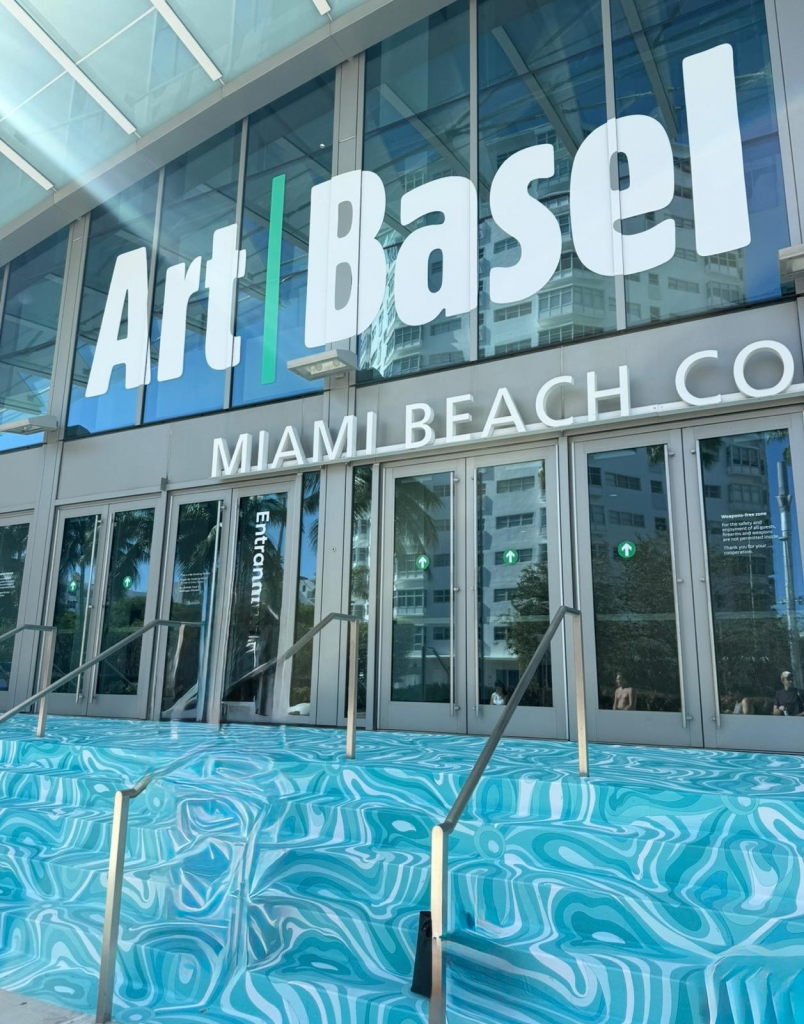
Art Basel Miami Beach, meanwhile, positions Miami each year at the center of the global art network. Collectors, galleries, curators, brands, and audiences circulate simultaneously throughout the city, generating high-intensity value in a short period while also amplifying a critical question: What does this cycle leave behind for the city and for artists in the long term?
Miami’s creative economy map makes one thing clear: the creative economy is not centralized—it is networked. When art integrates with the city, it generates economic value. Culture can become not a decorative layer for tourism, but its very core.
Yet beneath this polished surface lies another, often-invisible layer: independent studios, temporary exhibition spaces, and artist-run initiatives—the fragile but vital veins of production.
When a city claims to have built a creative economy while these veins are constricted, what remains is not a sustainable ecosystem, but a well-marketed display window.
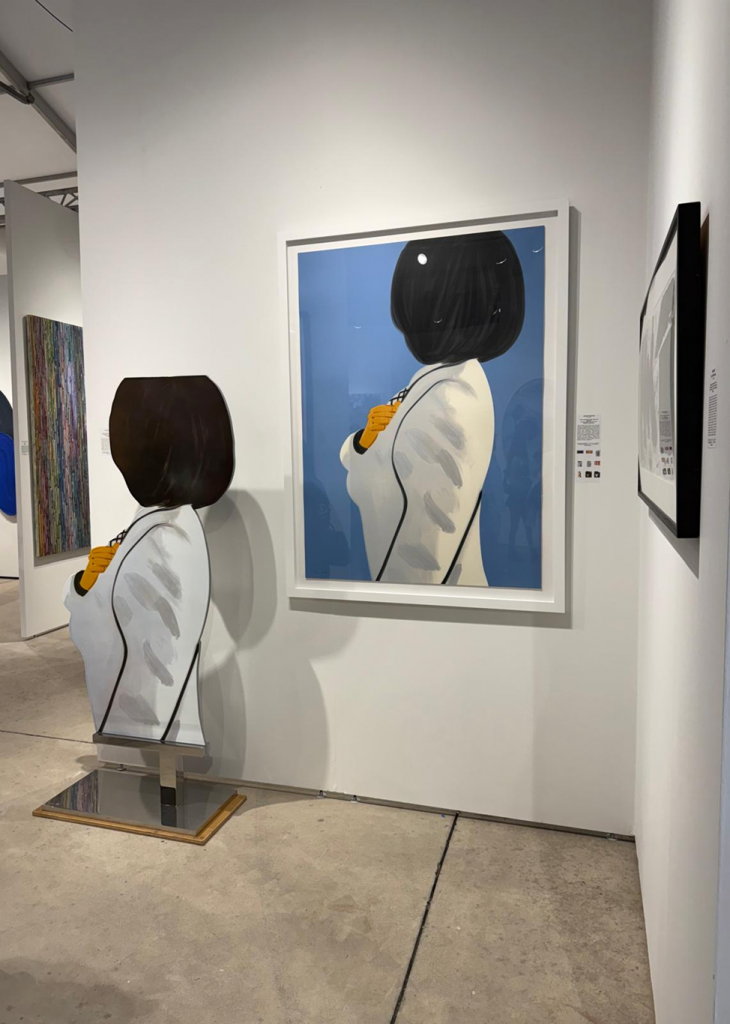
Stands Behind the Showcase? The Artist’s Real Position
Creative economies often make visible not the act of production itself, but the circulation that forms around it: exhibitions, openings, festivals, biennials, and crowded calendars. Within this density, the artist’s position becomes paradoxically obscure. The artist stands at the center of the system, yet remains its most precarious actor.
Production begins with the artist; yet value often circulates far from them. The risk taken at the idea stage, months of labor, repeated experimentation, and abandonment rarely appear in economic tables. As visibility increases, the producer’s agency and ownership often contract. This contradiction is one of the most fundamental and least discussed truths of the creative economy.
The issue is not only income. It is the erosion of the creator’s sense of control over their own labor. When does a work become “art,” and when does it become “content”? At what point does an idea detach from its producer and transform into an object of circulation value? Unless the creative economy offers clear responses to these questions, artists will remain at its heart—and simultaneously at its most vulnerable edge.
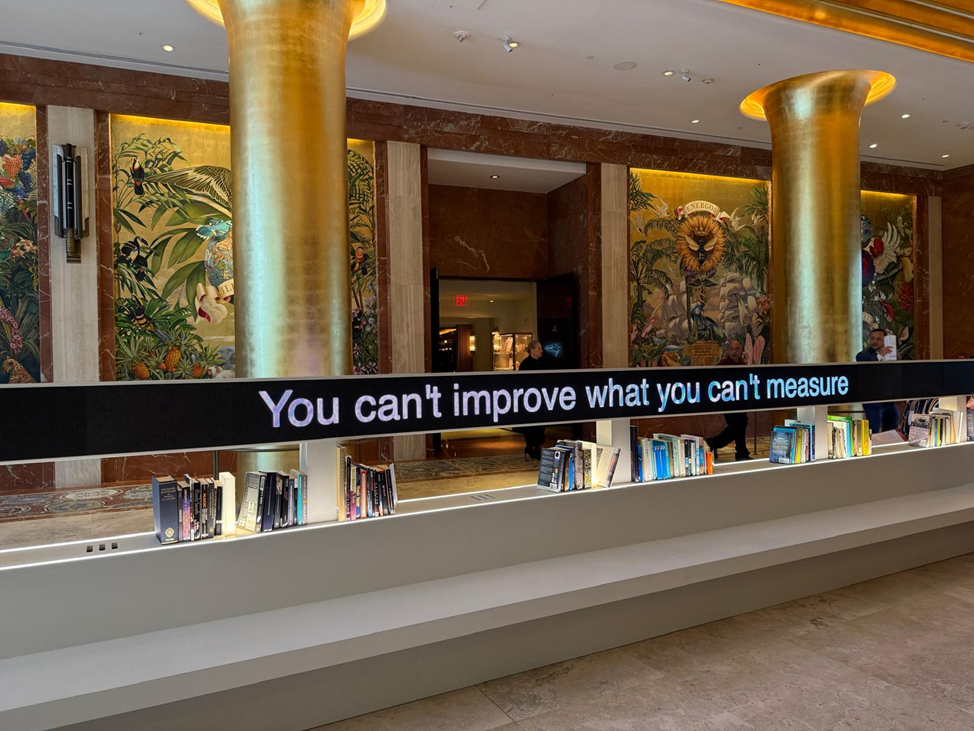
Ownership of Creative Labor: Visibility for Whom, Value for Whom?
In creative economies, ownership rarely resides solely in physical objects; it is embedded in circulation, sharing, and representational power. An artwork is photographed, shared, and recontextualized countless times, yet ownership of the value generated through this circulation remains unclear.
Platforms claim access, brands claim visibility, and cities claim image, while creative labor is often treated as a resource that should “naturally” exist. This shifts ownership from a legal issue into an ethical one. Creative labor is not limited to the final output; it is woven from time, cognitive load, emotional investment, and uncertainty.
When creative economies fail to protect this labor, they produce structures that appear to grow while internally eroding. As value expands through circulation, the producer’s share stagnates—or diminishes.
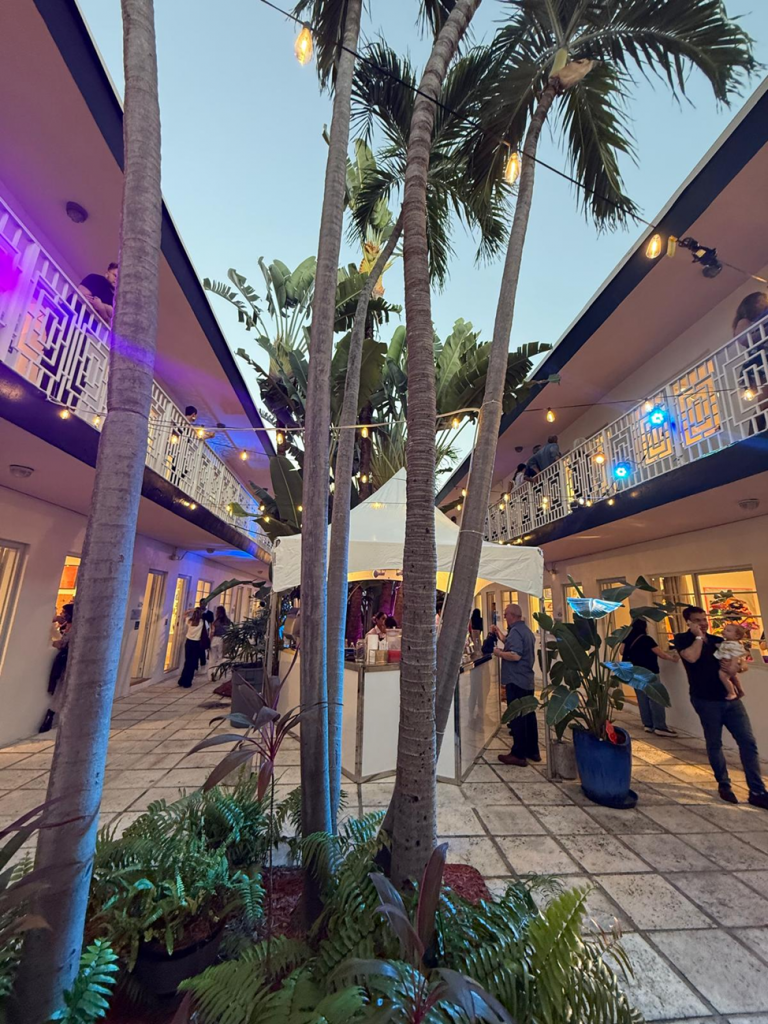
Atmosphere or Infrastructure? A City’s Critical Choice
Cities approach the creative economy in two primary ways. The first treats creativity as an atmosphere: art beautifies spaces, supports tourism, and increases real estate value. In this model, art functions as aesthetic packaging.
The second approach understands creativity as infrastructure: production spaces, accessible studios, public support mechanisms, copyright frameworks, and long-term cultural policies that integrate creators as permanent components of the city.
The sustainability of the creative economy is determined by this choice. Atmosphere-driven cities grow quickly and generate strong imagery, but become temporary stops for creators. Infrastructure-driven cities develop more slowly, but build deeper ecosystems. The question is not the visibility of art, but the livability of the artist.
Sustainability: Growth or Continuity?
Sustainability in creative economies is often defined through financial growth. The real question, however, is this: growth for how long, and at whose expense? If a city fuels creative production while simultaneously exhausting its producers, what exists is not a sustainable system, but an efficient consumption loop.
True sustainability allows artists not only to produce, but also to pause, to rethink, and to remain in the same city over the long term. When the creative economy achieves this balance, it ceases to be merely the language of an era and becomes part of its structure.
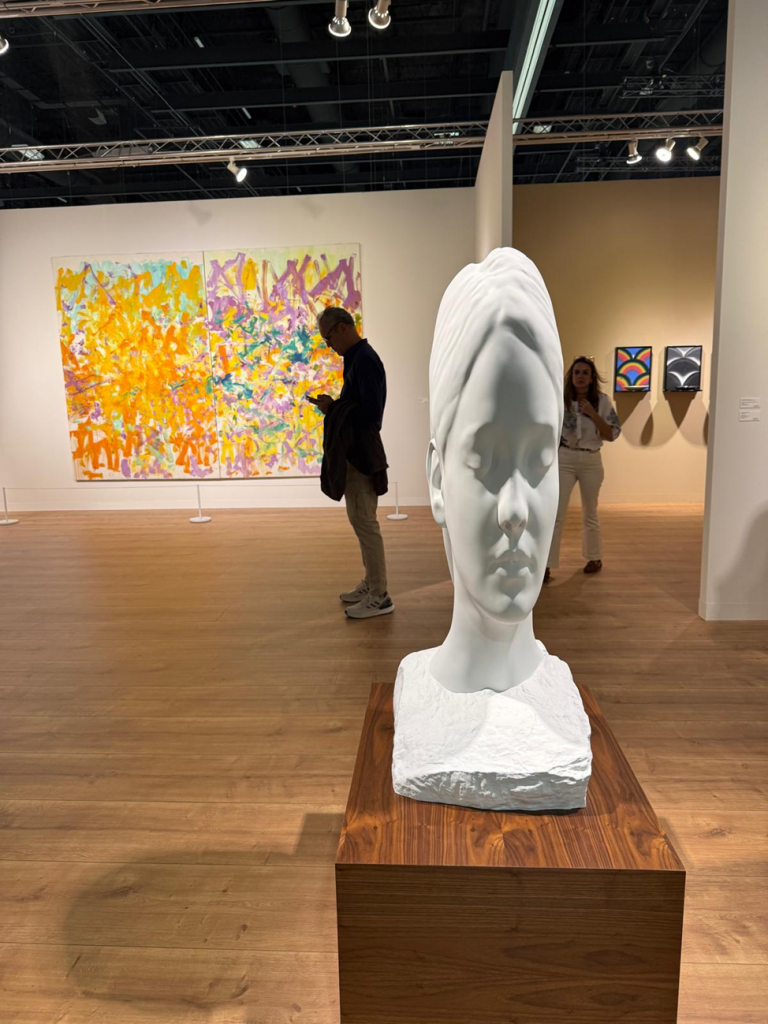
Miami: The Real Test of the Creative Economy
Miami presents a powerful case that reveals both the potential and fragility of the creative economy. Here, artists stand at the center of global circulation, yet often on the margins of economic security. While works, images, and experiences quickly merge into city branding, platforms, and capital networks, ownership of creative labor quietly drifts away from its producers.
Miami succeeds in making art visible; its true test lies in making it livable. Creativity functions flawlessly here as atmosphere but becomes sustainable only when translated into infrastructure. The presence of studios, production spaces, copyright protections, and long-term cultural policies will determine the future of this economy.
Miami tells us something unmistakable: the creative economy becomes a real economic model only when artists can remain in the city, protect the value of their labor, and find space not only to produce—but also to live. Otherwise, what remains is a beautifully designed showcase, rapidly consumed.
RU Ceylan
Multidisciplinary Artist / Creative Industries Expert
www.ruceylan.com