
Alice in Wonderland
Value, and Art’s Test with the Market
Miami Art Week & Art Basel have long moved beyond being merely art events; they stand as some of the most visible, influential, and debated platforms within the global contemporary art market. Shaped over more than two decades, this structure points to an ecosystem where art is discussed not only through its aesthetic dimension, but also through the production, circulation, and positioning of value. Throughout Art Week, Miami becomes a center that prompts reflection on the extent to which art functions as a creative field versus a strategic market force.
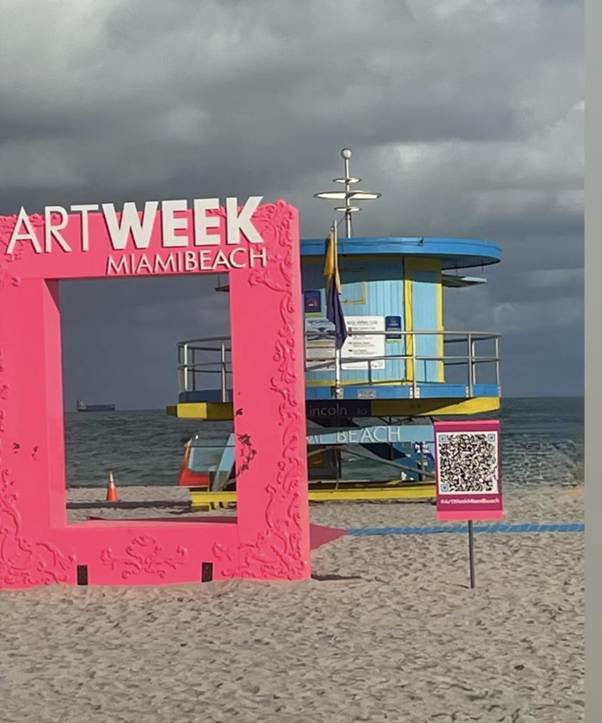
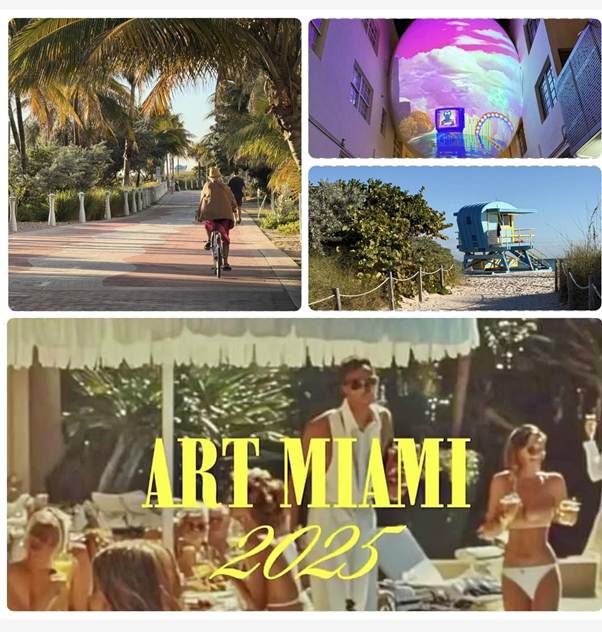
Miami is a high-energy city, deeply connected to life itself. During Art Week, however, this energy transforms into something akin to a large-scale stage design. Everyday life recedes as professional actors from the art world fully occupy the city. VIP previews, invitation-only lists, private events— even the timing and manner of access to art are carefully pre-planned. This points to a more selective and controlled structure in which the art experience is not offered equally to everyone.
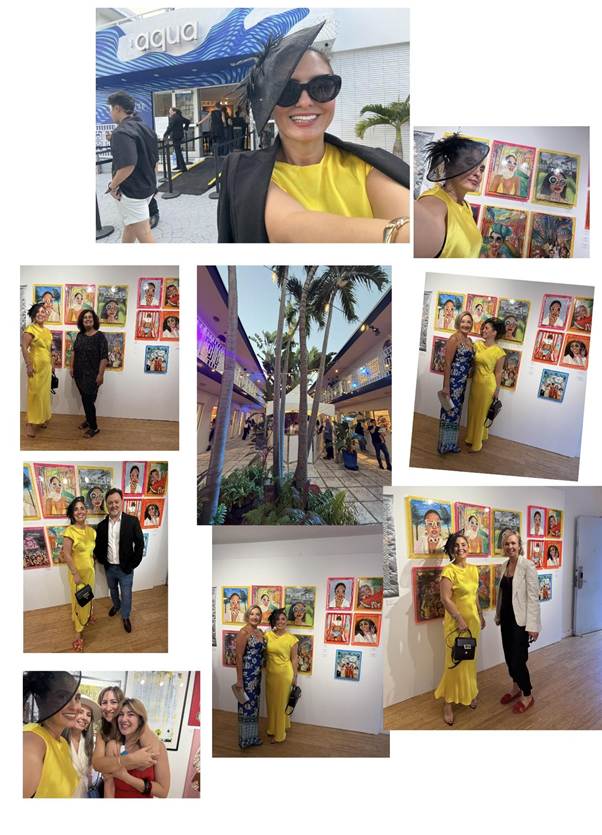
Taking part this year in Aqua Art Fair with my paintings allowed me to once again experience firsthand the relationship between artistic production and the market. I realized how much I had missed participating in exhibitions. Although my recent focus has been on filmmaking, painting remains the most direct and distilled form of expression for me. Coming face to face with the viewer creates a space where the artist cannot hide—where filters disappear and only the work and the viewer’s response remain.
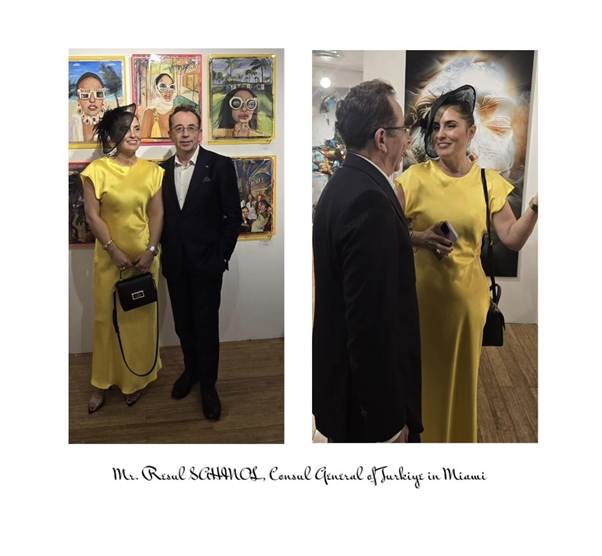
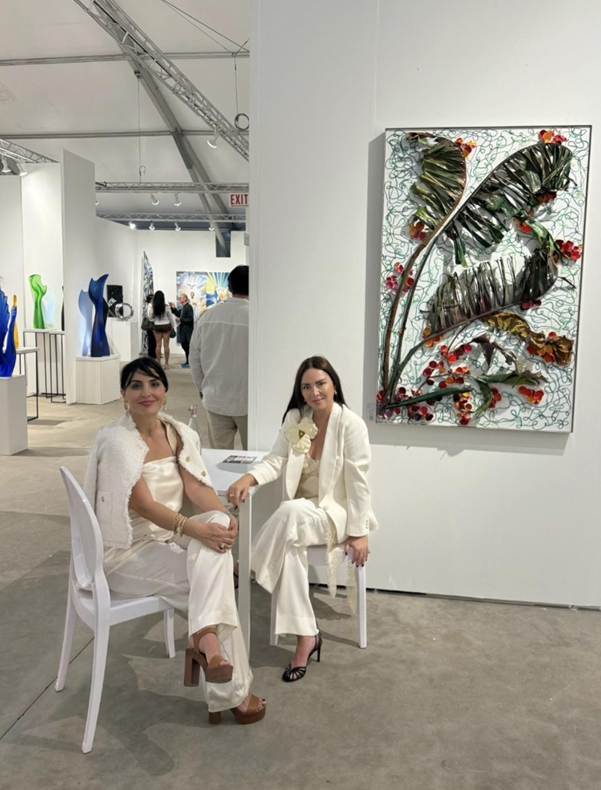
At Aqua Art Fair, I was represented by Act Contemporary, founded by dear Nazan Aktan. This marked our third collaboration. Our journey began at the Venice Biennale with my work “Hope,” continued with the support given to our award-winning short film “Echo,”
and intersected once again during Miami Art Week.
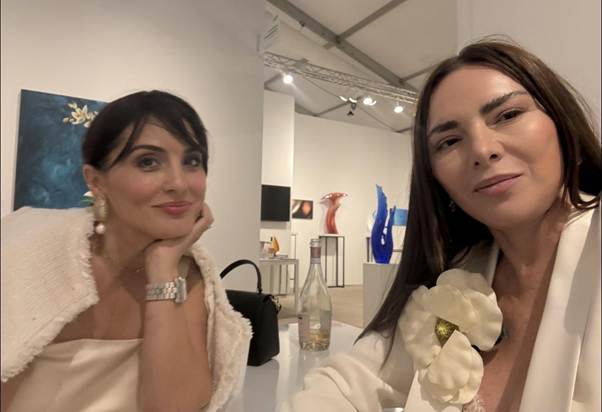
Tuğba YAZICI-Nazan AKTAN
In my paintings, I worked with the theme “Miami Life,” and I was delighted by the strong interest from viewers—an experience that brought me great happiness as an artist.

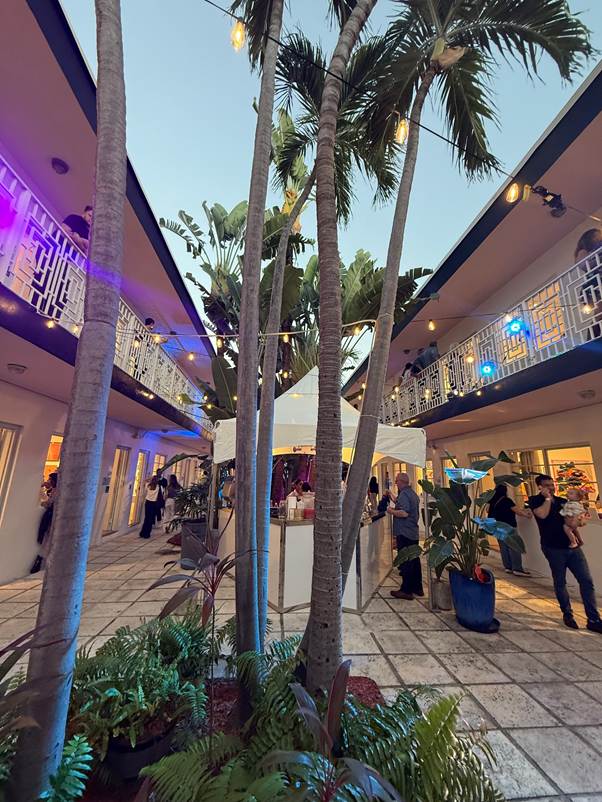
The international visitor network throughout Art Week clearly reveals how contemporary artists are positioned today: visibility is no longer achieved solely through production, but through being present in the right context, at the right time, and on the right platform.
Miami Art Week places the artist in multiple roles simultaneously: producer, storyteller, representative, and market participant. Within this intensity, dialogues with collectors, relationships with galleries, and professional connections directly influence the direction of art itself. For this reason, Art Week functions less as a romantic artistic gathering and more as a professional evaluation space for artists.
During the fair, I shared this intense pace with fellow artists Ayşen Saltan, Michael Wallner, Tuncay Topçuoğlu, Melis Ragusin, Emel Vardar, Demet Dayı, Tuğçe İnan, and Selen Uğur, creating meaningful exchanges along the way. At the same time, the pressure created by the system’s speed and expectations on artists was clearly felt.
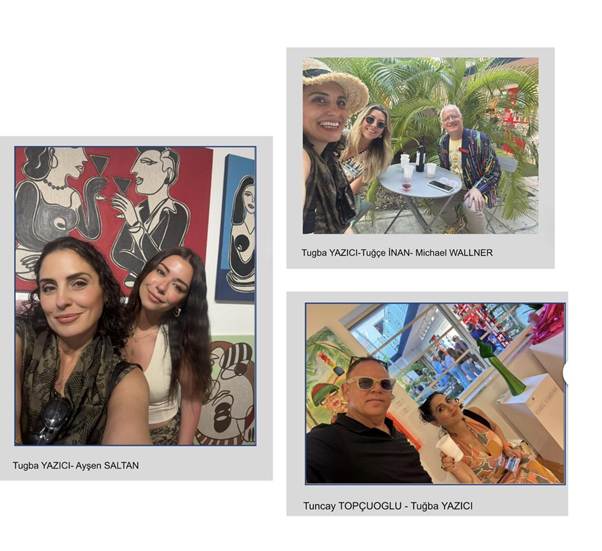
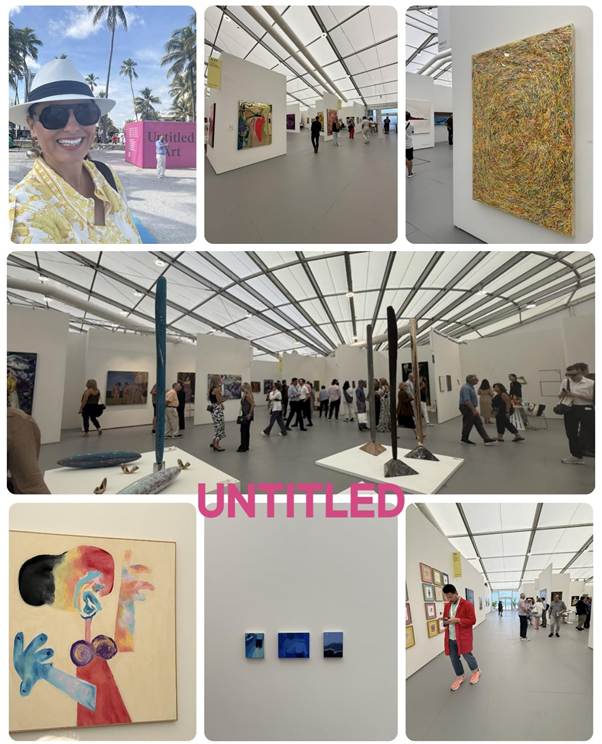
My impressions of the fairs I visited were as follows:
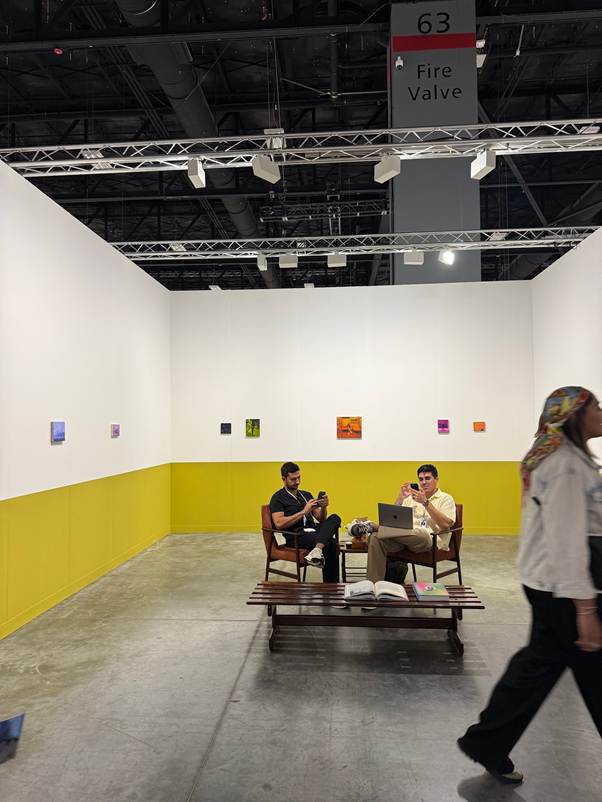
Untitled Art Fair remained impressive in terms of its location and effective use of light, as in previous years, though it felt more restrained in content this year.

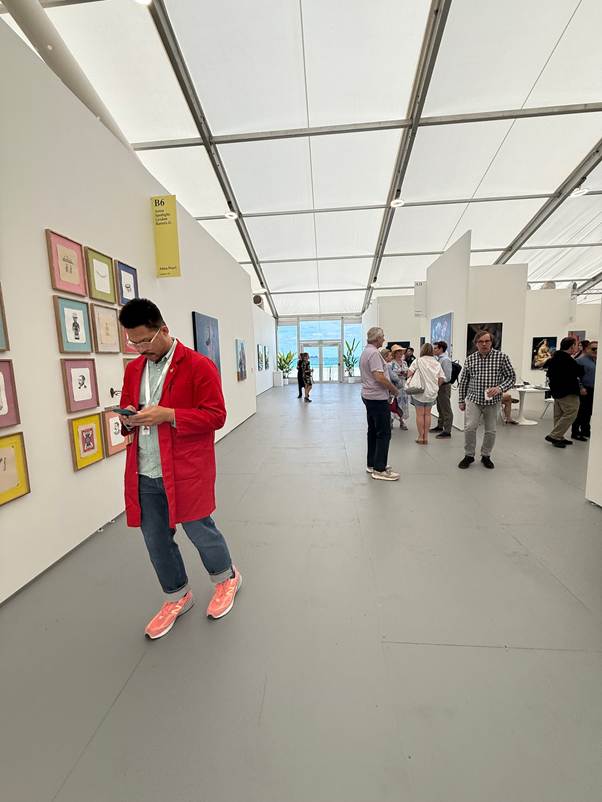
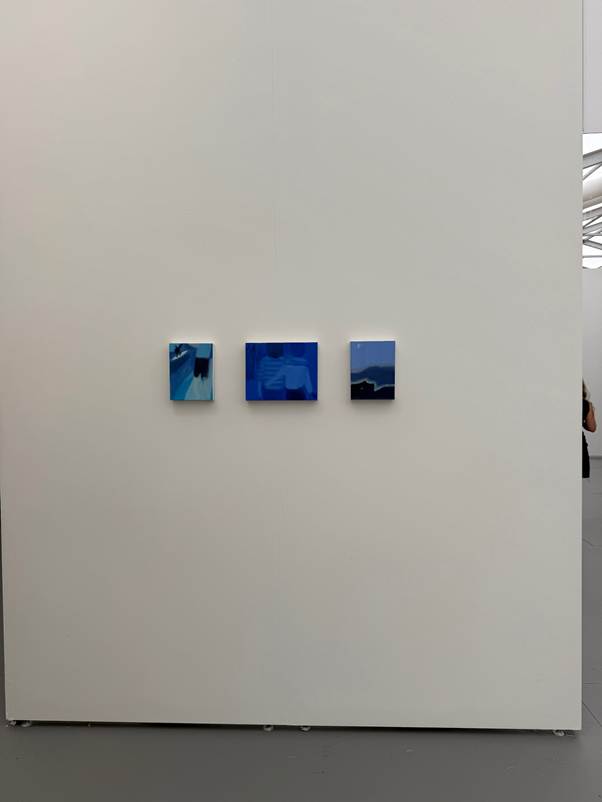
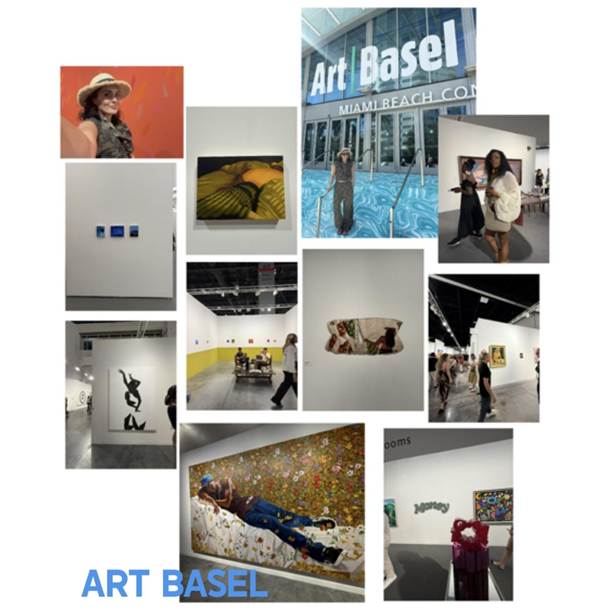
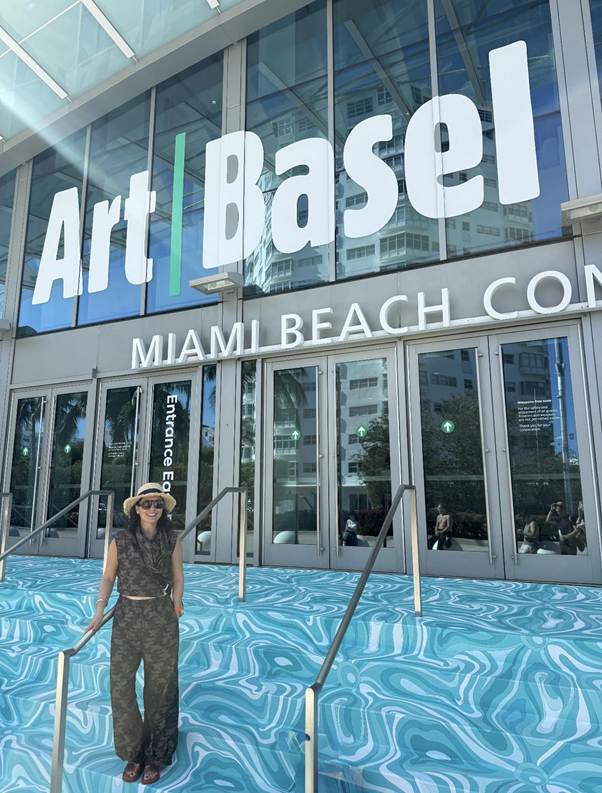
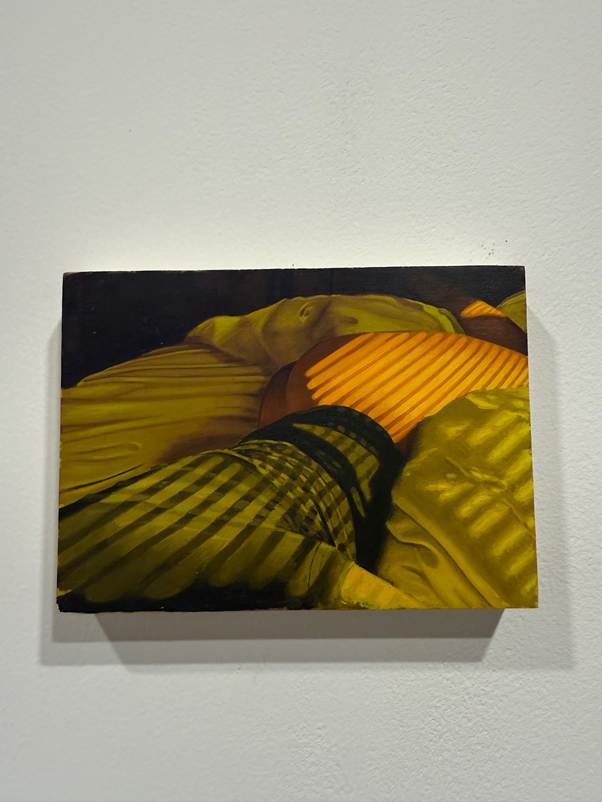
Art Basel presents an entirely different world governed by its own rules. While acknowledging the strength of established artists, I found myself thinking more about market dynamics than aesthetics when confronted with some highly priced works. This brought to mind evaluation mechanisms discussed years ago in my training on Collecting in Contemporary Art: the value of certain works is shaped not only by artistic quality, but also by the economic and institutional structures behind them.

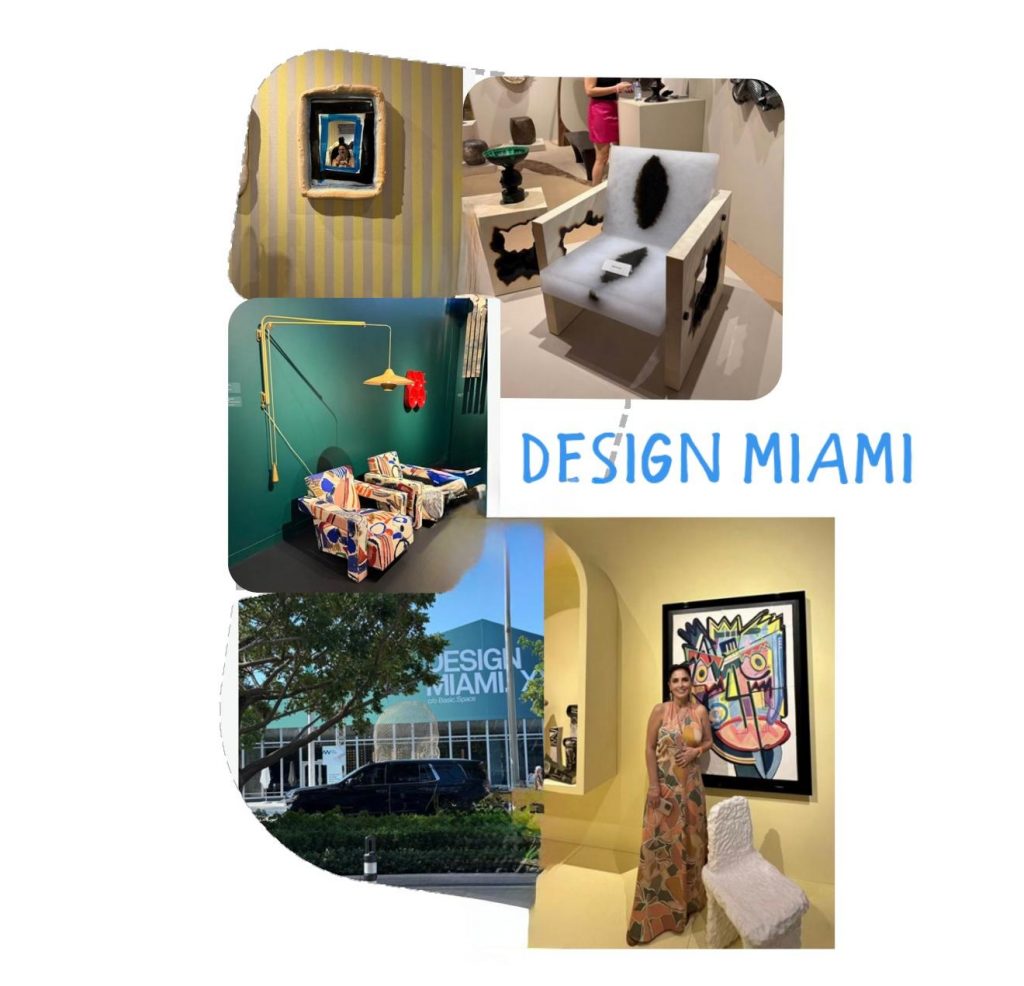
Design Miami offered a space to breathe amid the intensity. Aesthetic clarity, craftsmanship, and conceptual depth were still strongly present there.
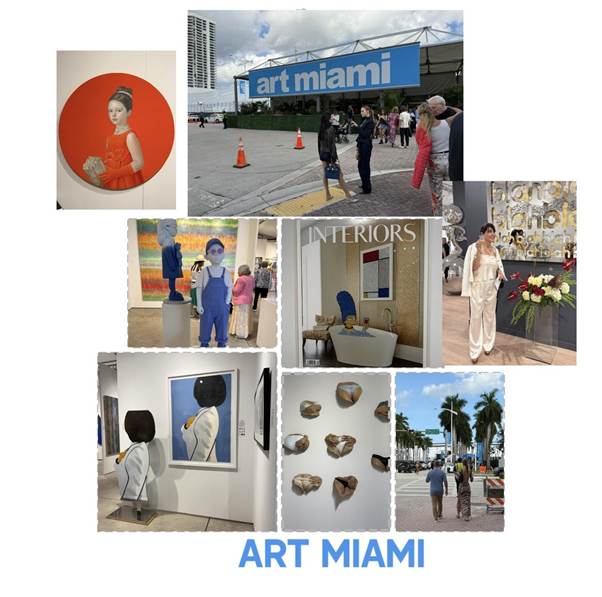
At Art Miami, due to time constraints, I was unable to reach some artists I had hoped to see (such as Orit Fuchs and Robert Strati), yet the works I encountered were artistically inspiring.
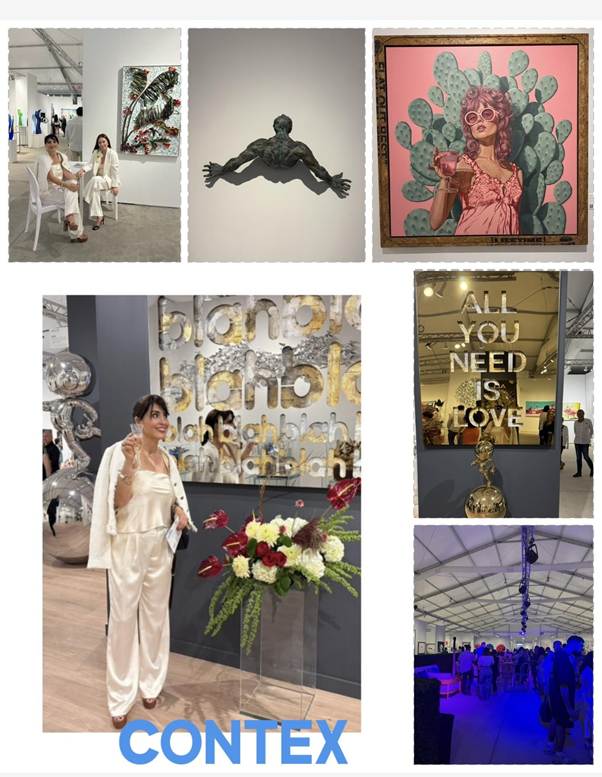
Context Art Fair, as the sister fair of Aqua Art Fair, was also noteworthy. Visiting the stand featuring Act Contemporary artists held particular meaning for me. Tuğçe İnan, İzim Çetindağ, Dilek Uzunoğlu Örs, and Demet Dayı were among the artists presented in this selection.
Tuğba YAZICI-Nazan AKTAN
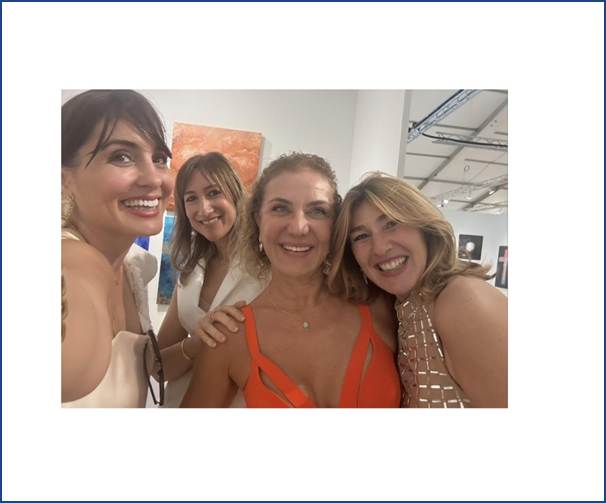
Tuğba YAZICI-Izim ÇETINDAG-Dilek Uzunoğlu ÖRS
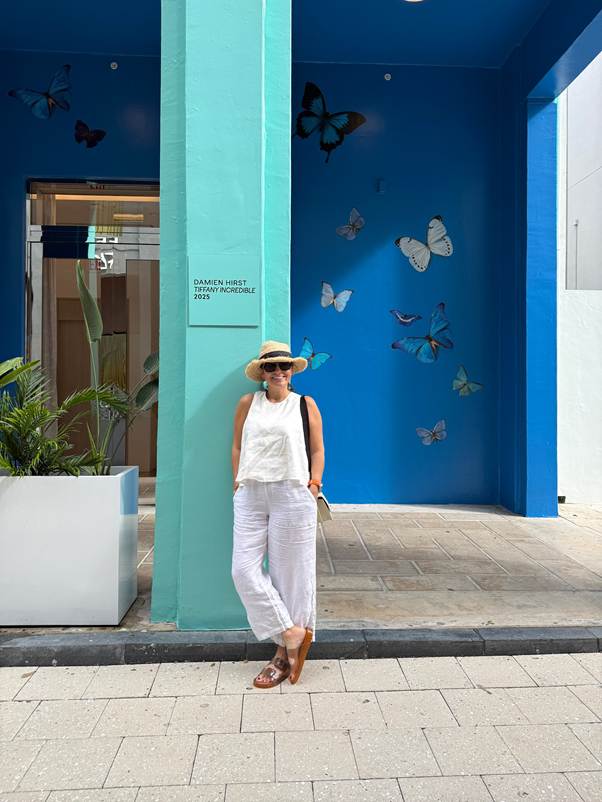
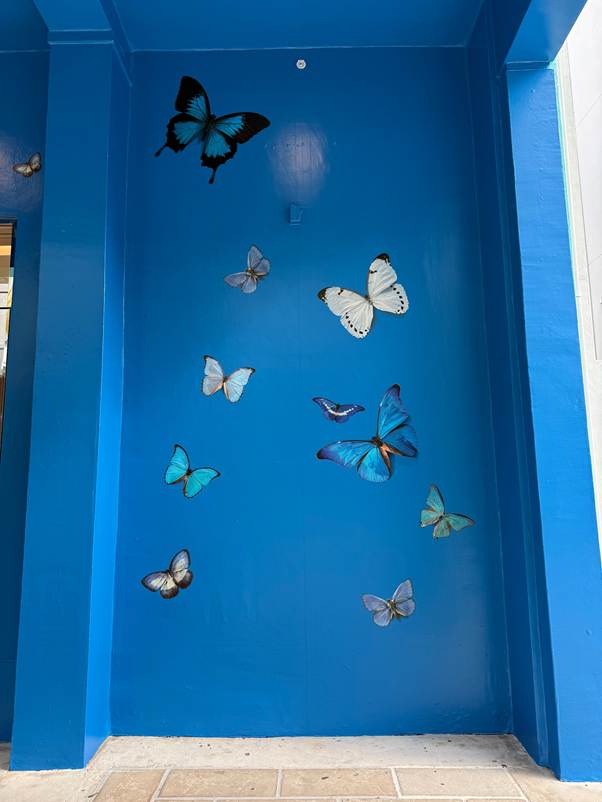
Miami Design District remains one of my favorite destinations, as always. Frequently featured in my paintings, this area’s new colors and heightened energy during Art Week were especially striking.
Miami Art Week & Art Basel, with all their brilliance, clearly reveal where contemporary art and popular culture stand today. Art here is not only exhibited;it is evaluated, positioned, and directed. For the artist, this week is not merely about visibility, but also about courageously questioning one’s own place within this system.
That is exactly what I did.
I conclude this piece by wishing you a happy new year, and I look forward to meeting again in 2026.
Tuğba Yazıcı
Multidisciplinary Artist
Tuğba Yazıcı is a multidisciplinary artist working across painting and film. Her practice is grounded in a narrative-driven visual language, examining contemporary life, spatial experience, and memory. Yazıcı’s works have been presented at international exhibitions and art fairs and are held in private collections. She continues to develop her practice within an international context.
Instagram: @tugbayaziciofficial
Facebook: Tuğba Yazıcı